
Why You Should Stay Away from Heptabase in 2024
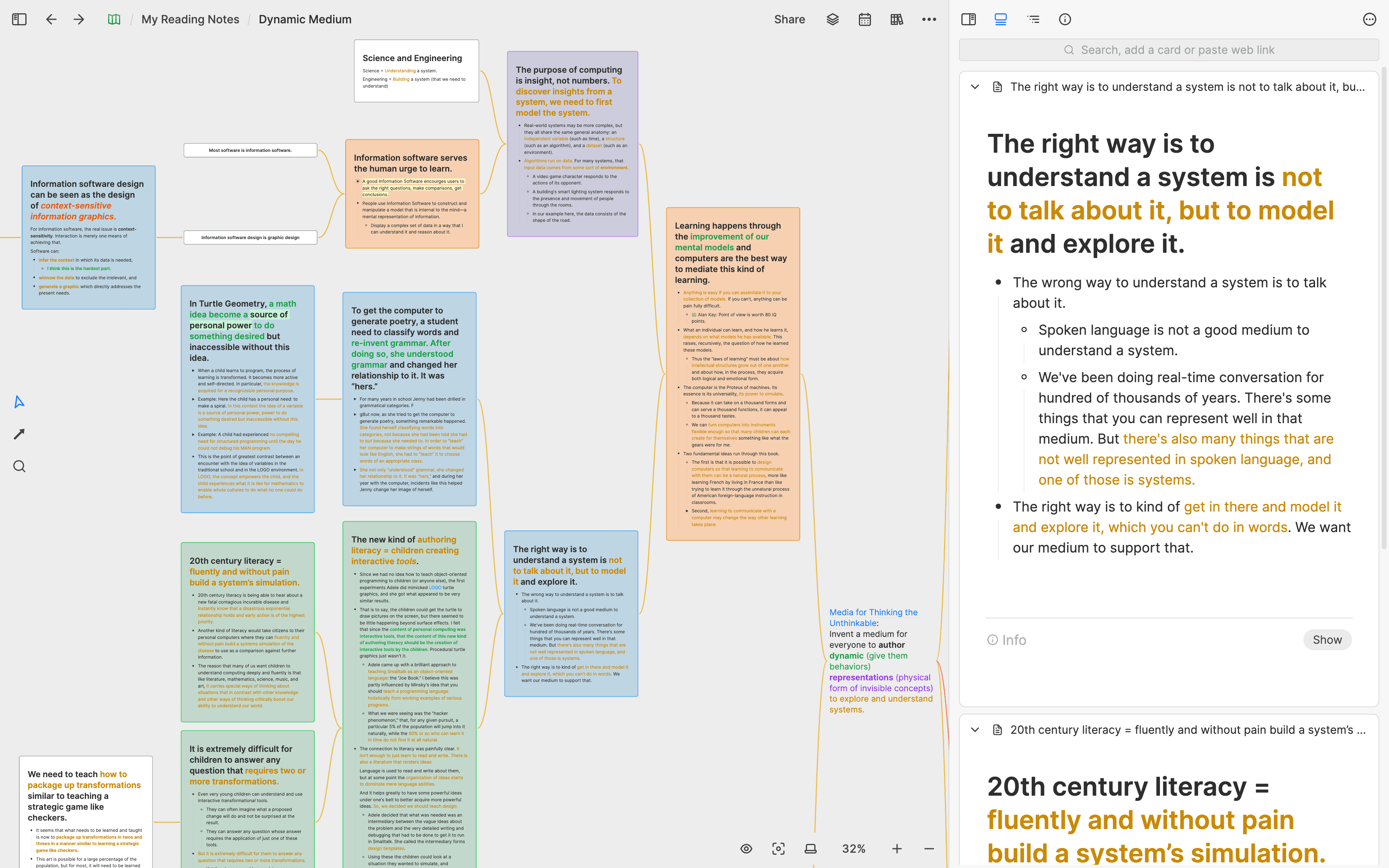
Heptabase, with its mind-mapping interface, seems like an attractive option for visual learners looking to organize their knowledge. However, as we step into 2024, it's becoming clear that this tool has several limitations that may hinder user satisfaction and productivity.
In this article, we'll explore why Heptabase might not be the best choice for efficient knowledge management. We'll discuss its shortcomings such as limited customization options, concerns over AI integration, and usability challenges that could prevent users from fully benefiting from the tool.
Limitations of Heptabase
1. Limited Customization Options
One of the main criticisms from users is the limited customization options available in Heptabase. The tool's structured approach can feel restrictive to those who prefer a more flexible knowledge management system.
Challenges with Interoperability
Heptabase operates somewhat independently, creating a "walled garden" where data exchange with other applications is restricted. This can be problematic for users who depend on integrating multiple tools to manage their knowledge effectively.
Frustrations Expressed by Users
Many users are unhappy with how Heptabase handles data exchange. For example, exporting notes or mind maps into formats compatible with other platforms like Notion or Obsidian can often be difficult. This lack of smooth integration can disrupt workflows and hinder productivity.
Implications for Users Relying on Multiple Tools
Heptabase's integration issues present significant challenges for users who manage tasks with multiple applications, as they expect seamless communication between tools. However, Heptabase requires manual steps to transfer information across systems, restricting user autonomy in organizing data across platforms. This limitation could deter users seeking an interconnected digital ecosystem without data flow barriers. In the dynamic realm of digital note-taking and knowledge management, the need for flexibility and integration is paramount, emphasizing the necessity of evaluating whether Heptabase suits one's broader workflow needs before centralizing it in their digital organization strategy.
2. AI Integration Concerns
Planned AI Features
Heptabase has announced plans to integrate AI functionalities aimed at enhancing user experience through features like automated note organization and smart suggestions. This move is part of the broader trend towards AI-powered note-taking, which is changing the way we work and making us more productive. However, user skepticism is growing due to concerns over how these features will be implemented and whether they will truly add value or merely serve as gimmicks.
Privacy and Security Issues
A significant worry among users revolves around the privacy implications of incorporating AI into a note-taking application. With data security becoming a critical issue in today's digital landscape, users are questioning how their personal information might be used or exposed when processed by AI algorithms. These concerns are particularly pertinent given the sensitive nature of the data often stored in knowledge management tools.
Impact on User Experience
The integration issues arising from adding AI features could potentially lead to a fragmented user experience. Users fear that an ineffective implementation may complicate the tool's usability, detracting from its primary function as a seamless visual note-taker. This apprehension is compounded by Heptabase's existing challenges with customization and interoperability, creating what some describe as a "walled garden" effect where flexibility is sacrificed for ambitious yet flawed features.
These drawbacks make it crucial for potential users to reconsider adopting Heptabase in 2024, especially when other tools may offer more straightforward solutions without compromising on privacy or usability.
3. Complexity vs Usability Challenges
Heptabase limitations often revolve around the struggle to balance complexity with usability, which is a critical consideration for diverse user needs. The tool's robust features are undeniably appealing to those managing intricate projects or extensive research. However, this same complexity can be overwhelming for users with simpler task management requirements.
1. Usability issues in Heptabase
Usability issues in Heptabase arise when users attempt to navigate its advanced capabilities without needing all the bells and whistles. For instance, the mind-mapping interface, while powerful, may introduce unnecessary intricacy for those seeking straightforward note-taking solutions.
Managing simpler tasks
Managing simpler tasks can become cumbersome within Heptabase due to its focus on detailed visual organization and information layering. Users might find themselves spending more time learning the system than actually benefiting from it, which can lead to frustration and inefficiency.
Unique features leading to navigation difficulties
Unique features complicate navigation, creating a "walled garden" effect that locks users into Heptabase's ecosystem, limiting access to external applications and simpler workflows. These challenges pose significant drawbacks, potentially deterring users who prioritize ease of use and integration across tools. Evaluating complexity and usability is crucial when choosing a knowledge management tool to suit individual or organizational needs.
4. Slow Development Pace Compared to Competitors
User Perceptions on Heptabase's Development Pace
Heptabase users frequently express concerns about the slow pace of development for new features and improvements. This sluggish progression has become a significant drawback, creating frustration among users who expect timely updates and enhancements. The lack of regular feature updates can stagnate a tool's evolution, leading to dissatisfaction as user needs evolve over time.
Comparison with Competitors: Obsidian and Notion
- Obsidian, known for its community-driven approach, continuously introduces new features based on user feedback. Its plugin ecosystem allows for rapid expansion of capabilities without waiting for official updates.
- Notion excels with its flexible and responsive interface, making it easier for users to adapt the tool to their specific requirements quickly. The company consistently rolls out improvements, reflecting their commitment to addressing user demands.
Both competitors illustrate a stark contrast to Heptabase's slower development strategy. Their ability to swiftly implement changes showcases a more dynamic and user-centric approach, catering to evolving user needs effectively.
Implications of Development Delays
The integration issues and limitations associated with Heptabase's development pace create a walled garden effect, restricting seamless data exchange and interoperability with other tools. Users relying on multiple applications for comprehensive task management find Heptabase lacking in adaptability, impacting their productivity negatively.
The key limitations discussed here suggest that Heptabase must reassess its development strategies to remain competitive in the fast-paced world of knowledge management tools. Addressing these issues could potentially transform user experiences by aligning more closely with industry standards set by rivals like Obsidian and Notion.
5. User Feedback Disconnect in Feature Prioritization
Heptabase limitations extend beyond its slow development pace to a critical disconnect between user feedback and feature prioritization. This gap manifests in several ways, notably in how the Heptabase team addresses—or fails to address—user suggestions and requests.
Integration Issues
Users frequently report challenges with integrating Heptabase into their existing workflows. Despite repeated requests for improved interoperability with other tools, these enhancements remain largely unaddressed, trapping users in a walled garden of limited connectivity.
Overlooked Features
Many essential features that users advocate for are either ignored or significantly delayed, such as demands for more robust export options and enhanced collaboration capabilities. The feature prioritization issues create frustration among users, who see their needs sidelined in favor of less requested updates, suggesting a fundamental misunderstanding of user priorities. Understanding the drawbacks of Heptabase is crucial for potential users, as the disconnect in addressing user feedback highlights why you should stay away from Heptabase in 2024 if seamless integration and responsive development are priorities for your note-taking and knowledge management solutions.
6. Steep Learning Curve with Interface Design
Heptabase limitations arise prominently from its unique workflow and interface design, which contribute significantly to the learning curve challenges that new users face. The platform's mind-mapping approach, while innovative, introduces complexities that demand time and effort to master. New users often find themselves navigating a sea of features and tools that are not immediately intuitive.
Interface Design Issues
The interface is packed with sophisticated visual elements aimed at enhancing knowledge management, yet they can overwhelm beginners. Users accustomed to more straightforward note-taking applications may struggle with Heptabase's intricate layouts and connections.
Workflow Complexity
Heptabase's non-linear information organization can be daunting for some. This complexity offers creative flexibility but hinders quick adoption for those preferring traditional structures. The effect of a steep learning curve on user satisfaction is notable. Users seeking seamless workflow integration might find its demands frustrating, leading to decreased adoption rates. Without patience or time, potential benefits remain untapped. This section highlights the drawbacks of Heptabase's interface design and workflow complexities, crucial in 2024 decision-making for knowledge management tools.
Exploring Alternatives: Why You Should Consider Other Note-Taking Apps Instead?
The note-taking apps comparison 2024 presents a range of options for users seeking effective knowledge management tools. While Heptabase offers a mind-mapping interface, several alternatives provide unique features and better usability.
Constella.App: A Next-Generation Tool You Shouldn't Miss Out On!
Introducing Constella.App, an emerging tool that redefines note-taking with its innovative features:
- Infinite Graph Concept: This groundbreaking feature allows users to create an interconnected web of ideas, facilitating rapid thought organization and retrieval. Unlike traditional linear note structures, the infinite graph encourages dynamic exploration of concepts.
- Jotting View with Visual Graphing Capabilities: By combining these functionalities, Constella.App enhances creativity during brainstorming sessions. Users can effortlessly transition between jotting down thoughts and mapping them visually, promoting a more intuitive information hierarchy management.
Advantages of Constella.App Over Heptabase
Users considering why you should stay away from Heptabase in 2024 will find compelling reasons to explore Constella.App:
- Unlike Heptabase's limited interoperability, Constella.App seamlessly integrates with various applications, mitigating data exchange frustrations.
- With a focus on user-friendly design, Constella.App ensures a smoother learning curve compared to Heptabase's complex interface challenges.
In this evolving landscape of note-taking apps, exploring alternatives like Obsidian, Notion, and especially Constella.App offers valuable insights into selecting the right tool tailored to your needs. Each app presents distinct advantages that could significantly enhance your knowledge management experience in 2024.
Additionally, it's crucial to be aware of common pitfalls when using these tools. For instance, understanding the top mistakes people make when note-taking can significantly improve your productivity and learning outcomes. Moreover, incorporating techniques like mind mapping into your note-taking process can further enhance your creativity and idea generation abilities.
Conclusion
Choosing the right knowledge management tool in 2024 is crucial, and issues with Heptabase suggest it may not be ideal. Users encounter limited interoperability, privacy concerns with AI features, and complexity that hinders usability. Its development lags behind competitors, and user feedback doesn't influence feature priorities. The unique interface design poses a steep learning curve. These drawbacks make avoiding Heptabase advisable. Instead, consider Constella.App, featuring an infinite graph concept to enhance creativity and manage information hierarchy.
As we look into the future of personal knowledge management tools, it's essential to consider emerging trends and alternatives. While some may argue that Obsidian is overrated, there are numerous other options available that cater to specific needs. For instance, Anytype is a productivity app gaining popularity among enthusiasts due to its unique approach prioritizing privacy.
In this evolving landscape of knowledge management tools, understanding abstract ideas can significantly improve your approach to personal knowledge management. Therefore, staying updated with the future of personal knowledge management tools and their trends is crucial for anyone looking to enhance their organizational experience.
FAQs (Frequently Asked Questions)
What are the main limitations of Heptabase in 2024?
Heptabase faces several limitations including limited customization options, AI integration concerns, usability challenges, a slow development pace compared to competitors, a disconnect between user feedback and feature prioritization, and a steep learning curve due to its interface design.
Why should I be concerned about AI integration in Heptabase?
Users have expressed skepticism regarding the planned AI features in Heptabase, particularly concerning privacy and data security. Ineffective AI integration could negatively impact overall user experience and trust in the tool.
How does Heptabase compare to other note-taking apps like Obsidian and Notion?
Compared to competitors like Obsidian and Notion, Heptabase has been perceived as having a slower development pace for new features and improvements. Users often find these alternatives more responsive to their needs and feedback.
What challenges do users face with Heptabase's usability?
Users report complexity versus usability challenges when managing simpler tasks within Heptabase. The unique features may lead to navigation difficulties, making it less accessible for those looking for straightforward note-taking solutions.
Are there better alternatives to Heptabase for note-taking in 2024?
Yes, alternatives such as Constella.App offer innovative features like an infinite graph concept for rapid thought organization. Other popular options include Obsidian and Notion, which may provide better user experiences depending on individual needs.
What is the author's recommendation regarding note-taking tools?
The author recommends reconsidering the use of Heptabase in 2024 due to its key drawbacks. Instead, they suggest exploring Constella.App as a next-generation tool that enhances organizational experiences through its unique features.
Want more insights like this?
Subscribe to get short productivity tips and useful summaries of new tools every week.
Want more insights like this?
Subscribe to get short productivity tips and useful summaries of new tools every week.