

ADHD, or Attention Deficit Hyperactivity Disorder, presents unique challenges like attention difficulties and hyperactivity, making daily tasks overwhelming for many individuals. However, music emerges as a powerful ally in managing these challenges, influencing emotional regulation and enhancing focus through various genres like structured instrumental compositions, calming lo-fi hip hop, binaural beats, and ambient sounds, each offering distinct benefits for improved concentration and emotional balance.
Moreover, understanding music therapies' core concepts enhances their effectiveness. Abstract thinking helps individuals with ADHD use music for emotional regulation. ADHD and career success often align when people choose careers matching their strengths.
The Science Behind Music and ADHD
Music triggers dopamine release, a key neurotransmitter for mood regulation and ADHD symptom management. Through cognitive activation, music enhances focus and concentration, making it easier for individuals with ADHD to maintain task engagement.
Research Findings on Music's Impact
Studies have shown that incorporating music into routines can significantly impact attention and learning in those with ADHD. Research supports the use of music therapy for ADHD to improve overall cognitive performance. By integrating music into daily activities, individuals may experience enhanced focus and better control over their attention span, paving the way for improved academic and personal outcomes.
However, it's important to note that while music can aid concentration, effective note-taking is still essential for retaining information. Here are some common mistakes people make when note-taking which could hinder learning outcomes despite the presence of conducive study music.
Types of Music That Enhance Focus for Individuals with ADHD
1. Classical Music: Structure and Calm for Mental Clarity
Classical music, particularly from the Baroque period, is known to provide a structured, calming environment that aids focus. Compositions by Bach, Vivaldi, and Handel feature consistent rhythms and harmonies that can support focus and reduce mental distractions.

- Examples: Bach’s Brandenburg Concertos and Vivaldi’s The Four Seasons are excellent choices, as their steady tempo and predictable structure can help the ADHD brain stay engaged. Mozart’s Piano Sonatas are also frequently recommended for their calming yet mentally stimulating qualities.
- Why It Works: The structured nature of classical music provides a “mental framework” that helps organize thoughts and minimize cognitive overload. Studies suggest that classical music, particularly at a moderate tempo, can enhance cognitive performance by increasing dopamine, which is often low in ADHD brains.
2. Lo-Fi Beats and Study Music: Steady Flow Without Distraction
Lo-fi music, with its relaxed beats and repetitive patterns, has gained popularity as an ideal background for studying and working. It’s soothing but not monotonous, offering a non-intrusive soundscape that helps people with ADHD stay focused.

- Examples: The Lo-fi Beats to Study To playlist on Spotify and the Chillhop Radio on YouTube are two popular sources for lo-fi music, often featuring ambient sounds layered over relaxed beats. Artists like Jinsang and Joji contribute heavily to this genre, creating calming tracks that provide a consistent flow.
- Why It Works: Lo-fi music provides a steady, gentle beat without lyrics that could distract the listener. This genre’s relaxed tempo allows ADHD users to stay immersed in tasks, making it an excellent choice for activities like writing or deep work, where a continuous flow of thought is necessary.
3. Ambient Music and Nature Sounds: Soothing Backgrounds for Repetitive Tasks
Ambient music and nature sounds offer a gentle and repetitive background that blocks out distractions. By reducing sensory overload, ambient sounds create a calm space where ADHD users can remain focused on repetitive or less mentally demanding tasks.

- Examples: Music for Airports by Brian Eno is a classic ambient album known for its calming and immersive soundscape. Nature sounds, such as rain or ocean waves, are also available through apps like Noisli or Rainy Mood and offer a grounding effect without musical structure.
- Why It Works: Ambient music and natural sounds act as white noise, soothing the mind and reducing anxiety. For individuals with ADHD, ambient soundscapes can create a serene background that supports concentration on routine tasks, such as organizing or cleaning, by minimizing mental distractions and encouraging a relaxed mental state.
4. Video Game Soundtracks: Designed to Maintain Flow and Focus
Video game soundtracks are designed to keep players alert and focused over extended periods, making them highly effective for ADHD concentration. These soundtracks often feature repetitive melodies that are engaging but not distracting.

- Examples: The Legend of Zelda: Breath of the Wild and Animal Crossing soundtracks are excellent choices, with their immersive and upbeat tunes designed to maintain flow. The Celeste soundtrack by Lena Raine is another example, with ambient sounds mixed with light rhythmic beats that keep listeners engaged.
- Why It Works: Game music is composed to be repetitive and engaging without overshadowing gameplay, keeping the listener’s attention steady. For ADHD individuals, this background music helps maintain focus and immersion in tasks, mirroring the way it enhances engagement in gaming.
5. Binaural Beats: Frequency-Based Focus Enhancement
Binaural beats, created by playing slightly different frequencies in each ear, help induce brainwave patterns associated with concentration and relaxation. They’re thought to synchronize with brain activity, promoting mental states that can benefit focus.

- Examples: Binaural beat tracks set to 14 Hz or higher are typically used for focus and concentration. Apps like Brain.fm or Insight Timer offer playlists designed for focus, while YouTube has numerous binaural beat playlists at various frequencies, such as Powerful Brainwaves by Greenred Productions.
- Why It Works: By using specific frequencies, binaural beats encourage brainwave patterns that correlate with focus and calmness. Research suggests that binaural beats set in the beta wave range (14-30 Hz) can promote concentration, making them an effective option for detailed work or study sessions.
Personal Preferences in Music Selection
Personal music preferences vary significantly among individuals with ADHD, with some finding focus through classical or ambient sounds while others may need more stimulating genres like rock or jazz. Through experimentation with different styles and genres, each person can discover their optimal musical environment for enhanced concentration and productivity.
Adaptability and Flexibility
The flexibility to adjust music choices based on tasks and moods is crucial. As focus requirements change, adapting musical selections helps maintain attention and productivity. By emphasizing personal preferences, individuals with ADHD can effectively use music as a customized tool for enhanced focus. Technology like AI-powered note-taking tools and Personal Knowledge Management (PKM) systems can help track music preferences and productivity strategies. Just be sure to avoid these common PKMS setup mistakes for best results.
Using Music as a Tool for Focus: Practical Applications
- Creating Personalized Playlists: Personalized playlists tailored for specific tasks can enhance focus for individuals with ADHD. By selecting tracks that match the task, you can create an optimal environment. Upbeat music works well for creative tasks, while calming instrumental tracks support study sessions.
- **Study Soundtracks: **Study soundtracks help minimize distractions and maintain focus. These serve as background noise, allowing better engagement with study materials. Try different genres to find what works best for your concentration.
- **Incorporating Music Therapy Techniques: **Music therapy can be integrated into daily routines through rhythmic entrainment, using consistent beats to improve concentration. Creating a routine where specific music accompanies certain activities helps build focus patterns over time.
These strategies turn music into an active tool for managing ADHD symptoms, combining personal preferences with therapeutic techniques for better productivity.
Academic Performance Improvement Through Music Therapy for ADHD Students
esearch shows that background music can improve focus and test scores in children with ADHD by creating a more conducive environment for concentration during exams and study sessions. This auditory stimulation aids cognitive processes, making it valuable in academic settings. Key insights include:
- Improved Focus with Music: Certain types of music, especially calm or structured pieces, can help ADHD students stay engaged and attentive, enhancing retention and learning outcomes.
- Personalized ADHD Music Therapy: Tailoring playlists to student preferences has shown potential in boosting focus and managing ADHD symptoms, providing a customizable approach to academic success.
- Mind Mapping as a Complementary Technique: Alongside music, mind mapping visually organizes information, fostering creative thinking and helping students see connections between concepts for better understanding and memory retention.
Together, these tools offer effective, personalized strategies to support ADHD students in academic environments.
Constella.App: A Next Generation Tool for Managing Focus alongside Music Therapy Techniques
Constella.App stands out as an innovative solution tailored to assist individuals in organizing their thoughts, enhancing focus and productivity. Designed with the needs of attention-challenged minds in mind, this app offers a unique approach to manage cognitive overload.
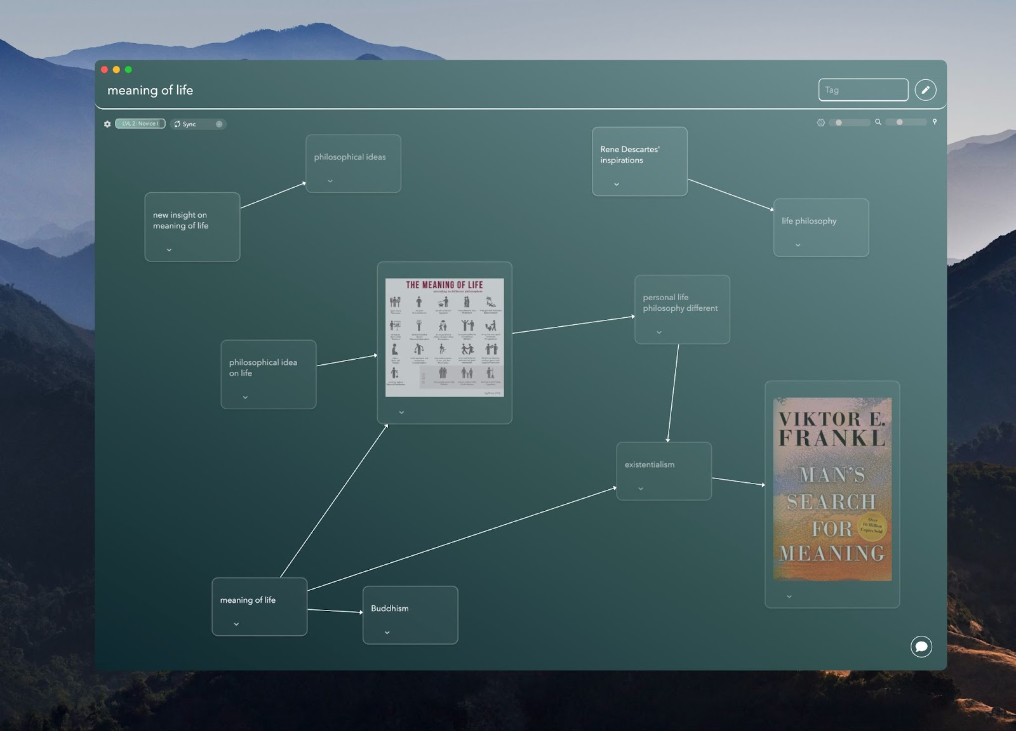
Key Features of Constella.App
- Revolutionary Infinite Graph: Users can quickly jot down thoughts on an infinite graph that remembers past entries. This means when you type a thought again, it reappears seamlessly, offering a continuous flow of ideas without interruption.
- Visual Engagement: The app's beautiful visual graph allows users to interact playfully with their thoughts, promoting a more engaging way to process and organize information.
- Jotting View: Provides an additional space for quick note-taking, ensuring that no idea is lost in the hustle of daily life. This feature could be particularly beneficial for those who struggle with forgetfulness, as detailed in this personal account of how the app helped one individual overcome their memory challenges.
Combining musical strategies with Constella.App’s functionalities offers significant benefits. The quick thoughts capture feature allows users to weave music therapy into their routines effortlessly. This integration ensures that individuals maintain focus on primary objectives without feeling overwhelmed or distracted, optimizing both mental clarity and task completion efficiency.
While there are several productivity apps available, some users have found that certain alternatives outperform popular ones like Obsidian in note-taking. However, the unique features of Constella.App such as its infinite graph, set it apart from other productivity tools.
Conclusion
Using music to manage ADHD symptoms can lead to better focus and emotional control. Different types of music such as instrumental, lo-fi hip hop, binaural beats, and ambient sounds have their own benefits, but it's important to remember that personal preference plays a key role in choosing what works best for each person.
Discover personalized methods by combining musical insights with tools like Constella.App. This allows for a smooth integration of sound stimulation and thought organization. With this innovative app, you can easily track and customize your listening habits, promoting concentration and productivity without feeling overwhelmed.
The journey to improved focus through ADHD music is unique for everyone. It's important to try out different sounds and technologies to find what enhances your cognitive experience. By recognizing that each mind is different, you can create an environment that supports growth and success. Use music and technology as powerful resources to navigate the challenges of ADHD.
FAQs (Frequently Asked Questions)
What is ADHD and how can music help manage its symptoms?
ADHD, or Attention-Deficit/Hyperactivity Disorder, is characterized by attention difficulties and hyperactivity. Music can be a powerful tool in managing these symptoms, particularly in enhancing emotional regulation and concentration.
How does music influence dopamine release in individuals with ADHD?
Music has been shown to influence dopamine release, which is crucial for mood improvement in individuals with ADHD. It also aids cognitive activation through listening, enhancing focus and learning capabilities.
What types of music are recommended for improving focus in individuals with ADHD?
Recommended types of music include instrumental music, classical music (such as works by Bach and Vivaldi), lo-fi hip hop, binaural beats, and ambient sounds. Each genre has unique characteristics that can enhance focus and emotional regulation.
How can personal preferences affect the effectiveness of music for ADHD?
Personal preferences play a significant role in choosing the right type of music for enhancing focus. Different genres may resonate differently with individuals, meaning some might benefit more from rock or jazz compared to others.
What are practical applications of using music as a tool for focus?
Practical applications include creating personalized playlists tailored to specific tasks or study sessions and incorporating techniques like rhythmic entrainment into daily routines to harness the benefits of music effectively.
How can Constella.App assist individuals with ADHD in managing focus alongside music therapy?
Constella.App is an innovative tool designed to help organize thoughts related to focus and productivity. It allows users to capture thoughts quickly and integrates seamlessly with musical strategies, helping users maintain their objectives without feeling overwhelmed.
Want more insights like this?
Subscribe to get short productivity tips and useful summaries of new tools every week.
Want more insights like this?
Subscribe to get short productivity tips and useful summaries of new tools every week.


