
Digital note-taking is more than a trend; it's a game-changer in how we manage information in today's fast-paced world. Traditional notebooks are being replaced by powerful apps such as digital note-taking softwaresthat make organizing and accessing your thoughts seamless, adaptable, and infinitely scalable.

The appeal lies in its practicality—notes synced across devices, a search bar replacing endless page-flipping, and the ability to turn chaos into clarity with structured formats. For professionals, students, and multitaskers, the efficiency of having all your insights a tap away can't be overstated. Digital tools also support workflows tailored to individual needs, from quick idea capture to detailed knowledge management.
This article unpacks the psychology behind staying organized and offers actionable strategies for making digital note-taking work for you. It’s about using tools like Constella.App, which stands out for features like infinite graphing, jotting views, and AI integration, to harness technology for personal and professional growth.
Ready to organize your life digitally? Dive in and transform how you capture, manage, and use information—it could be the key to unlocking your productivity potential.
The Psychology Behind Organization

Our brains are wired to seek order and patterns, making organization a fundamental aspect of how we process, understand, and recall information. Cognitive psychology reveals that when information is presented logically and systematically, it requires less cognitive effort to retrieve, enhancing both memory retention and comprehension. For instance, grouping related concepts or tasks activates the brain's natural categorization system, which improves focus and reduces decision fatigue.
A cluttered mental or physical environment can lead to cognitive overload, which affects productivity and emotional well-being. Neuroscientific studies indicate that excessive information, or "mental clutter," overwhelms the brain's working memory, making it harder to prioritize tasks, solve problems, and maintain focus. In contrast, structured organization creates cognitive ease, boosting learning and problem-solving capabilities.
How Digital Note-Taking Supports Organization
Digital note-taking offers tools that align with these psychological principles, providing an environment to effortlessly manage and organize information. Here's how it makes a difference:
- **Tagging and Categorization: **Digital apps let users tag notes by topics, themes, or priorities, offering a quick way to filter and locate specific content. Research on knowledge management highlights that categorizing data not only saves time but also strengthens contextual memory, helping users recall related ideas more effectively.
- **Powerful Search Capabilities: **Unlike traditional notebooks, digital tools offer robust search functions, allowing users to retrieve specific keywords or phrases instantly. This feature eliminates the need for linear scanning, reducing time and effort while supporting rapid problem-solving.
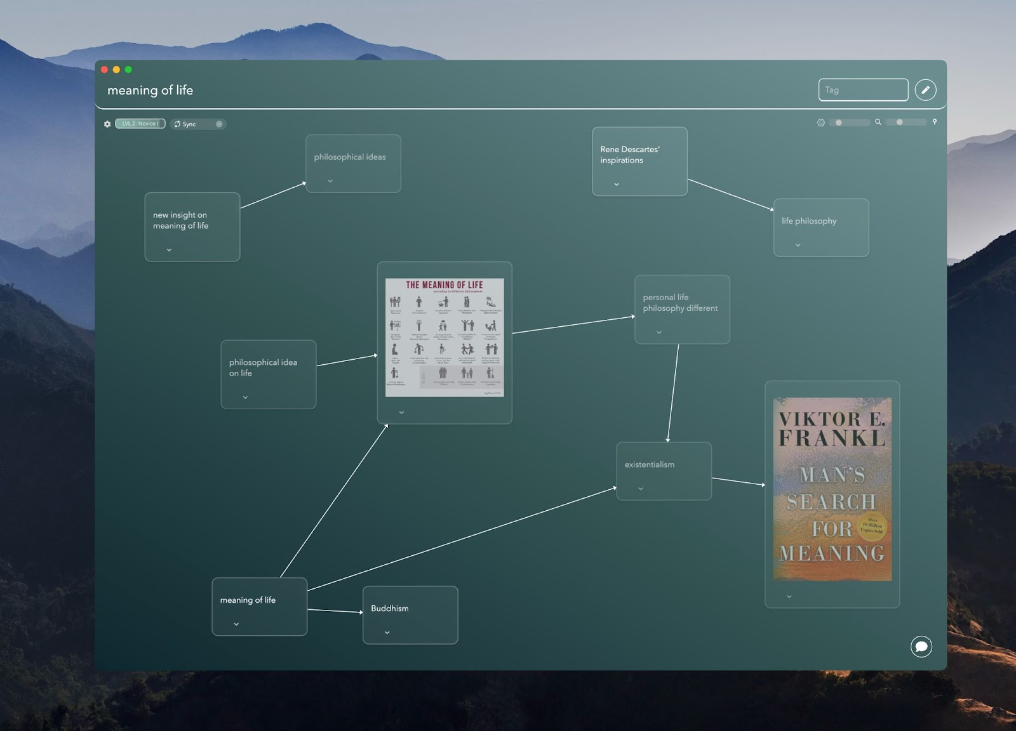
- **Visual Representation: **Tools like mind maps and infinite graphing enhance visualization of connections between ideas. Studies on visual learning suggest that representing information graphically engages the brain's visual-spatial reasoning, improving comprehension and creativity.
- **Cross-Device Syncing: **Accessibility across multiple devices ensures that important information is always within reach, reducing stress associated with losing or misplacing notes. This constant accessibility mirrors the cognitive benefits of "offloading memory," where external systems supplement human recall.
Benefits of Digital Note-Taking for Productivity
Digital note-taking can significantly sharpen your focus and comprehension. This method allows for easy organization of thoughts, which aligns with productivity strategies by minimizing distractions. Through digital platforms, you can create structured task lists that help maintain attention on the essential details. Highlighting, tagging, and categorizing information in real-time aids in better understanding and retention.
Handwritten vs. Digital
A comparison between handwritten and digital note-taking reveals distinct advantages of each. Handwritten notes often lead to improved memory recall due to the physical act of writing; however, they can lack the flexibility and efficiency needed in fast-paced environments. Digital notes allow for seamless integration with time management techniques, such as scheduling reminders or linking tasks to calendar events, which can enhance productivity by keeping all necessary information at your fingertips.
Advantages of Digital Note-Taking
- Accessibility: Access your notes from any device, ensuring you have critical information available whenever needed.
- Searchability: Quickly locate specific points using search functions, saving time compared to flipping through paper notes.
- Organization: Easily arrange notes into folders or categories that reflect your workflow.
Scientific Benefits of Digital Note-Taking
- **Improved Memory Retention: **Structured digital notes reinforce active engagement with information, a principle supported by the "generation effect," which states that reorganizing and interacting with data improves memory.
- **Increased Productivity: **A study by the Journal of Applied Cognitive Psychology found that digital organization tools significantly reduce time spent searching for information, freeing up mental resources for creative and analytical tasks.
- **Reduced Cognitive Load: **Centralizing information in a single, searchable location reduces mental clutter. Psychologists refer to this as "cognitive offloading," which enhances focus by relieving the brain of storage duties.
Digital note-taking tools like Constella.App maximize these benefits, offering features tailored to boost focus and productivity. These tools support intuitive design layouts that streamline the process of capturing and retrieving information efficiently. Embracing digital solutions not only supports a more organized approach but also encourages proactive time management practices. In fact, the shift away from document-based editing methods seen in platforms like Apple Notes or Google Docs is a testament to the evolving landscape of note-taking why we should not use document-based note-taking.
Choosing the Right Method for You

Finding a note-taking method that suits your unique learning style and personal preferences is a critical step toward maximizing productivity and staying organized. For instance, visual learners might benefit from tools that offer mind maps or infinite graphing, enabling them to see connections between ideas clearly. Auditory learners, on the other hand, may prefer apps that support voice notes or transcription features. Your choice should also reflect your goals—whether you're managing detailed projects, brainstorming creative ideas, or simply tracking daily tasks. By aligning your note-taking method with how you process information best, you not only make organization easier but also unlock the full potential of your productivity system.
Factors to consider include:
- Learning Style: Some individuals are visual learners who benefit from diagrams and color-coded notes, while others prefer auditory or kinesthetic approaches. Identify your style to tailor your note-taking method effectively.
- Personalized Learning Strategies: Adapt note-taking tools to support strategies that enhance your learning. For instance, if you thrive on structure, a digital tool with templates might suit you; if creativity drives your process, look for flexibility in formatting.
- Creative Work Scheduling: Determine when and where you're most productive. Some people find inspiration during early mornings, while others peak late at night. Choose a digital tool that syncs across devices, enabling seamless access whenever ideas strike.
By understanding these factors, you can choose a method that not only organizes information but also complements your natural tendencies, ultimately boosting both personal and professional growth.
Time Management Strategies with Digital Notes

Integrating digital notes into your time management routine is a game-changer for improving productivity and maintaining focus. Digital note-taking tools allow you to plan, prioritize, and organize tasks effectively, helping you make the most of your day. Here are three effective strategies for leveraging digital notes to enhance time management:
1. Daily Planning with Prioritization
Start each day by outlining tasks, meetings, and deadlines using digital notes. Use features like tagging or categorization to prioritize tasks by urgency and importance. Visualizing your workload helps in identifying the most critical tasks and allocating sufficient time to tackle them. For instance, apps like Constella.App allow users to create structured, color-coded plans that are easy to review and adjust as the day progresses.
2. Time Blocking
Time blocking is a proven strategy for improving productivity by assigning specific time slots for tasks. Digital notes can help you implement this method seamlessly. Break your day into blocks for deep work, meetings, and breaks, then use the reminders and alerts available in digital tools to stick to your schedule. This approach minimizes multitasking and ensures you dedicate focused time to each activity. Research shows that structured time management, like time blocking, reduces decision fatigue and improves task completion rates.
3. Weekly Reviews for Organization
Make it a habit to review your digital notes at the end of each week. This practice helps you reflect on completed tasks, reorganize unfinished ones, and prepare for the upcoming week. Features like search functions and filtering in digital tools enable quick reviews and updates, ensuring that your notes stay relevant and organized. Regular reviews also encourage accountability and continuous improvement in managing your time.
Why It Works
Digital notes provide flexibility, accessibility, and a centralized space for managing your schedule. Whether you're using features like infinite graphing, tagging, or task reminders, these tools cater to various time management strategies. By integrating them into your daily routine, you can streamline your workflow and maintain clarity amidst competing demands. To further improve your efficiency, consider exploring Master Personal Knowledge Management: The Ultimate Guide for 2024, which offers valuable insights on boosting productivity, enhancing learning, and discovering the best tools for effective knowledge management.
Conclusion: Embrace the Future of Digital Note-Taking with Constella.App
Digital note-taking offers a structured way to organize thoughts, enhance memory, and boost productivity. By adopting tools like Constella.App, individuals can streamline their workflow, turning chaos into clarity. This platform not only simplifies digital note-taking but also offers insights on creating the best PKM setup with AI, allowing users to effortlessly manage their personal knowledge. The integration of digital notes into daily routines not only improves time management but also aligns with the science of staying organized:
- Infinite Graphing: Enables users to visualize their thoughts and tasks in interconnected ways, fostering holistic understanding.
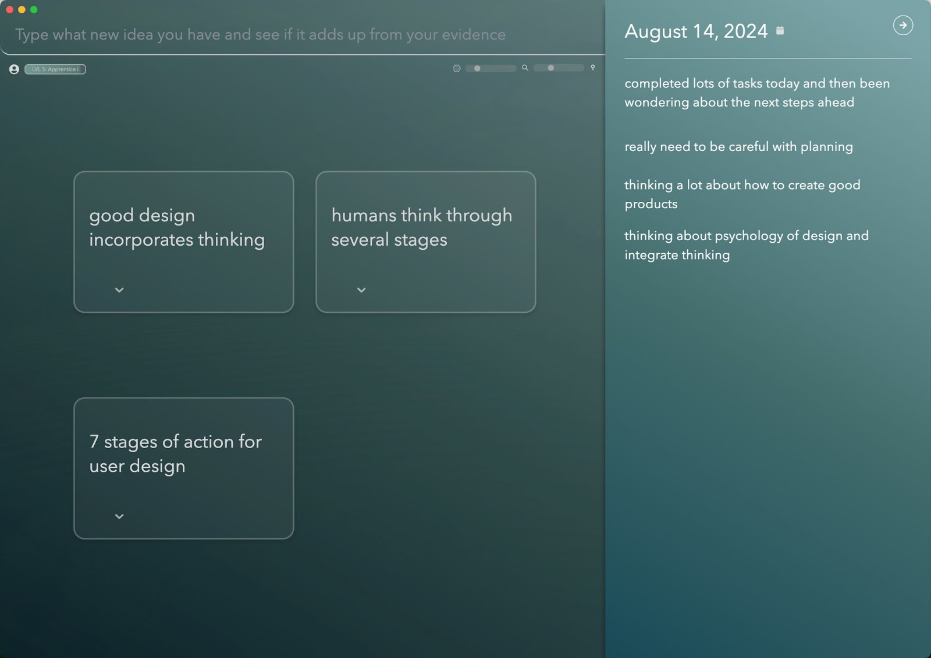
- Jotting View: A versatile workspace for capturing spontaneous ideas without disrupting workflow.
- AI-Powered Search (Stella AI): Allows intuitive searches across notes, finding relevant insights faster than ever.
Digital note-taking is a powerful tool for personal and professional growth. Its potential lies in its ability to adapt to diverse needs and preferences, making it a versatile choice for anyone looking to improve their organizational skills. As technology continues to evolve, these tools will likely become even more integral to our workflows.
The future of digital note-taking promises a world where information is easily accessible, well-organized, and effortlessly managed. Start today by exploring the features that best suit your lifestyle and experience firsthand the transformation that comes with organized digital living.
FAQs (Frequently Asked Questions)
What is digital note-taking and why is it becoming popular?
Digital note-taking refers to the practice of recording information electronically, often using software or applications designed for this purpose. Its growing popularity in the digital age can be attributed to the convenience, efficiency, and enhanced organization it offers compared to traditional handwritten methods.
How does organization impact learning and productivity?
Organization plays a crucial role in effective learning and productivity as it helps reduce cognitive load, improves memory retention, and provides clarity. A cluttered mind can hinder focus and overall well-being, making it essential to adopt organized strategies for better outcomes.
What are some benefits of using digital note-taking for productivity?
Digital note-taking enhances focus and understanding by allowing users to create structured task lists, manage time effectively, and access notes easily. Compared to handwritten notes, digital methods often provide better organization and retrieval capabilities.
How do I choose the right digital note-taking method for my needs?
When selecting a note-taking method, consider factors such as your personal learning style, the type of content you need to capture, and your preferences for creativity and scheduling. Experimenting with different tools can help you find the best fit.
What challenges might I face with digital note-taking and how can I overcome them?
Common challenges include distractions during lectures and language barriers. To overcome these issues, try minimizing distractions by creating a focused environment, utilizing technology that aids comprehension, and practicing active listening techniques.
What tools are recommended for effective digital note-taking?
There are several popular digital note-taking tools available today, including Constella.App. Key features to look for include user-friendly interfaces, organizational capabilities, integration with other apps, and options for collaboration to enhance both organization and productivity.
Want more insights like this?
Subscribe to get short productivity tips and useful summaries of new tools every week.
Want more insights like this?
Subscribe to get short productivity tips and useful summaries of new tools every week.


