
The evolution of note-taking reflects a significant shift in how we harness information, from ancient methods to the cutting-edge digital tools we use today. This article explores this journey, highlighting the transformation in note-taking practices and their impact on productivity and creativity.

The transition from traditional to digital note-taking methods has revolutionized the way we capture and organize information. Innovative tools like Constella.App, which I used to build my dream productivity system and double my output, are at the forefront of this revolution. These tools offer features such as an infinite visual graph and intuitive organization that enhance productivity and creativity. These advancements represent a new era in mastering the art of note-taking, allowing users to swiftly capture thoughts and seamlessly manage information.
A Brief History of Note-Taking
Ancient civilizations played a significant role in shaping the practice of note-taking. The ancient Greeks, for instance, had a unique way of documenting their thoughts and reflections through a method called hypomnema. This personal record-keeping technique allowed individuals to capture their ideas in writing.

Both the Greeks and Romans used wax tablets as a means of recording information. These tablets were reusable, making them an early version of temporary note-taking solutions similar to digital drafts we use today. The convenience offered by wax tablets made them essential tools for students and scholars.
The Impact of Chinese Paper on Note-Taking
The invention of Chinese paper during the Han Dynasty brought about a significant change in the history of note-taking. Paper proved to be more durable and cost-effective compared to earlier materials like papyrus or parchment. This innovation led to an increase in written records and educational resources, transforming literary culture.

The Role of Medieval Monks in Preserving Knowledge
During the Middle Ages, medieval monks played a crucial role in preserving knowledge through their meticulous work with manuscripts. These monastic scribes not only copied religious texts but also contributed to scientific, philosophical, and historical works. Their commitment to accuracy and detail laid the foundation for future note-taking practices.
The Evolution of Note-Taking in Modern Times
Fast forward to today, with advancements in technology, we now have access to various tools that significantly enhance our note-taking experience. For instance, methods such as Zettelkasten are being utilized with modern tools for effortless implementation. Furthermore, there are numerous AI-powered platforms available that streamline personal knowledge management and organize information effortlessly.
While traditional document-based note-taking methods like those used in Apple Notes or Google Docs are becoming relics of the past due to their limitations, AI note-taking apps offer a promising alternative. These applications not only boost productivity but also make it easier to retrieve insights efficiently.
The Renaissance and Scientific Revolution: Structuring Knowledge
The Renaissance was a turning point in the history of note-taking, introducing the concept of structured notes. Influential figures like Leonardo da Vinci embodied this approach with their carefully arranged notebooks, which served as both personal diaries and extensive reference books. Da Vinci's notebooks showcased a seamless integration of art, science, and philosophy, demonstrating his systematic way of capturing intricate concepts.

The Scientific Revolution brought about further improvements in note-taking techniques. Scholars started creating specialized scientific notebooks that reflected the growing importance of direct observation and methodical investigation. These notebooks were crafted to record experiments, observations, and theories accurately, often including detailed drawings and explanations for better understanding.
This era highlighted the increasing demand for organized systems of storing and retrieving information as scholars explored various disciplines more deeply. These advancements laid the groundwork for contemporary methods of documenting knowledge and set the stage for future progress in note-taking tools.
From Typewriters to Personal Computers: The 20th Century Shift
The typewriter changed the game for note-taking in the early 20th century, completely changing how we record information. With its mechanical precision, the typewriter made it possible to transcribe faster and document more clearly, which was great for both professionals and students. It was a big change from handwriting, bringing in a whole new level of efficiency.
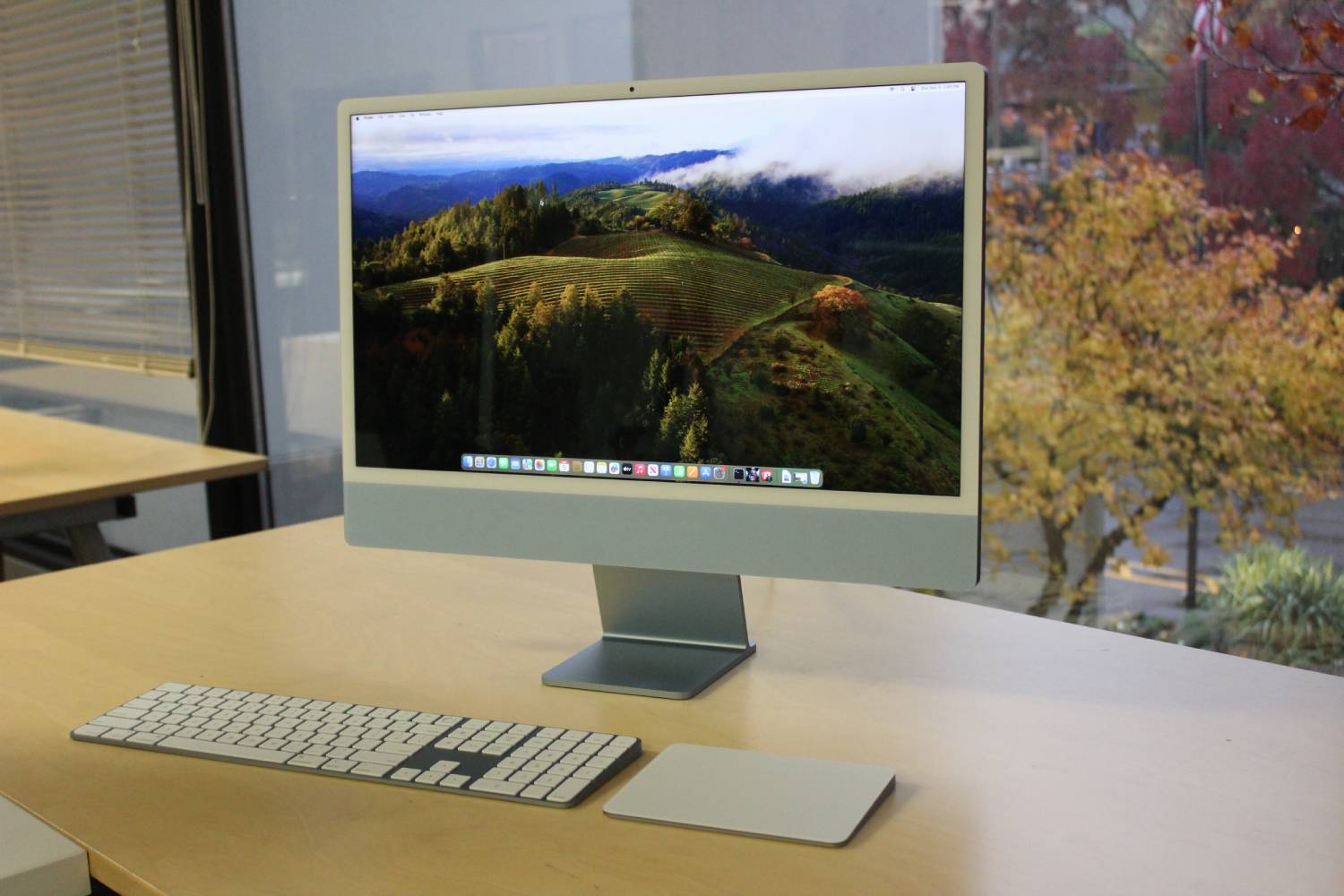
The introduction of personal computers took this evolution even further. By the late 20th century, computers were everywhere - in offices and schools. Unlike typewriters, personal computers offered editing flexibility, allowing users to easily rearrange, delete, or revise their notes.
Key Features of Personal Computers in Note-Taking
- Word processing software: This introduced features like spell-check and formatting options, making typed notes look more polished and professional.
- Storage capabilities: With digital files, we were able to reduce paper clutter and have easy access to large amounts of information.
These technological advancements in note-taking methods paved the way for modern digital applications, setting the stage for a new era in capturing knowledge.
Digital Note-Taking Applications: A New Era Begins
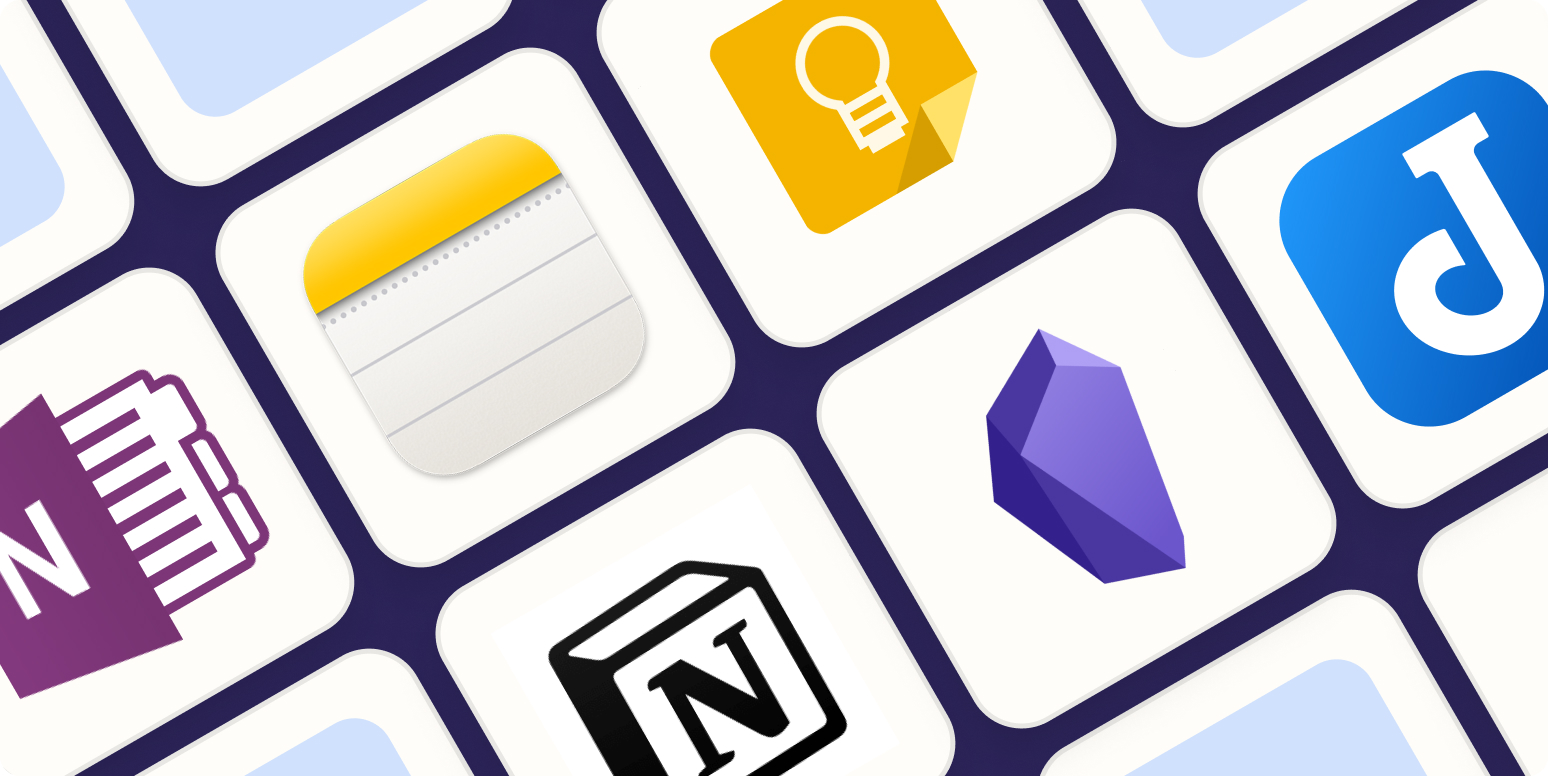
Revolutionary Digital Tools have significantly transformed the note-taking landscape. With the advent of digital note-taking software, capturing and organizing information has become more efficient and accessible. Leading the charge are applications like Evernote, Microsoft OneNote, and Google Keep, which have set new standards in how we interact with our notes.
Beyond Text Entry: The Functionalities of Note-Taking Apps
The functionalities of note-taking apps go beyond simple text entry. They include features such as:
- Cloud synchronization, ensuring access across multiple devices.
- Collaboration tools, allowing multiple users to edit and share notes.
- Integration capabilities with other apps and services, enhancing productivity workflows.
The advancements in note-taking technology have not only reshaped traditional practices but also opened up new possibilities for creativity and productivity. As digital note taking software continues to evolve, it empowers users to tailor their note-taking experience to suit individual needs and preferences.
Voice-to-Text Technology: Transforming the Way We Take Notes
Voice-to-text technology has changed the way we take notes by providing an efficient and hands-free way to capture information. With this technology, users can simply speak their notes instead of typing or writing them down, making it a quicker option.

Benefits of Voice-to-Text Technology
Here are some key advantages of using voice-to-text technology for note-taking:
- Accessibility: This technology makes it easier for individuals with visual impairments or mobility challenges to record their thoughts without any effort.
- Speed and Convenience: It allows for quick note-taking during meetings or lectures without interrupting the flow of information.
- Integration with Digital Tools: Voice-to-text technology works well with digital note-taking applications, making it easier to organize and find spoken content. For example, platforms like Constella not only have voice-to-text features but also let users switch to normal text search, export/import notes, and use other functions like Stella Chat.
Examples of popular platforms using this technology include Google Docs' voice typing feature and Apple's Siri, which efficiently convert speech into text. The development of voice-to-text technology represents a significant change in how we record our ideas, making note-taking more inclusive and flexible in different settings.
Techniques for Effective Note-Taking in the Digital Age
- **Linear Notes: **Traditional linear methods, like bullet points and outlines, remain fundamental in digital note-taking. These formats are straightforward, offering a clear path from one point to another. Cornell Notes is a notable example, designed to help students systematically capture lecture details by dividing the page into sections: notes, cues, and summaries.
- **Non-Linear Methods: **Non-linear techniques bring flexibility and creativity into the mix. Mind Mapping is a popular non-linear technique where ideas radiate from a central concept, visually organizing thoughts in a way that highlights relationships and hierarchies. This method supports those who think more freely without following a strict order.
- **Clustering: **Clustering takes non-linear note-taking further by grouping related items together visually. This technique caters to individuals who benefit from seeing connections between concepts dynamically, supporting brainstorming sessions and problem-solving tasks.
In today’s digital age, finding the right balance between linear notes and non-linear methods can significantly impact how information is captured and understood. Whether embracing structured systems like Cornell Notes or diving into creative approaches like mind mapping and clustering, digital tools provide the flexibility needed for modern-day note-takers to thrive.
The Future of Note-Taking: Innovations with Constella.App
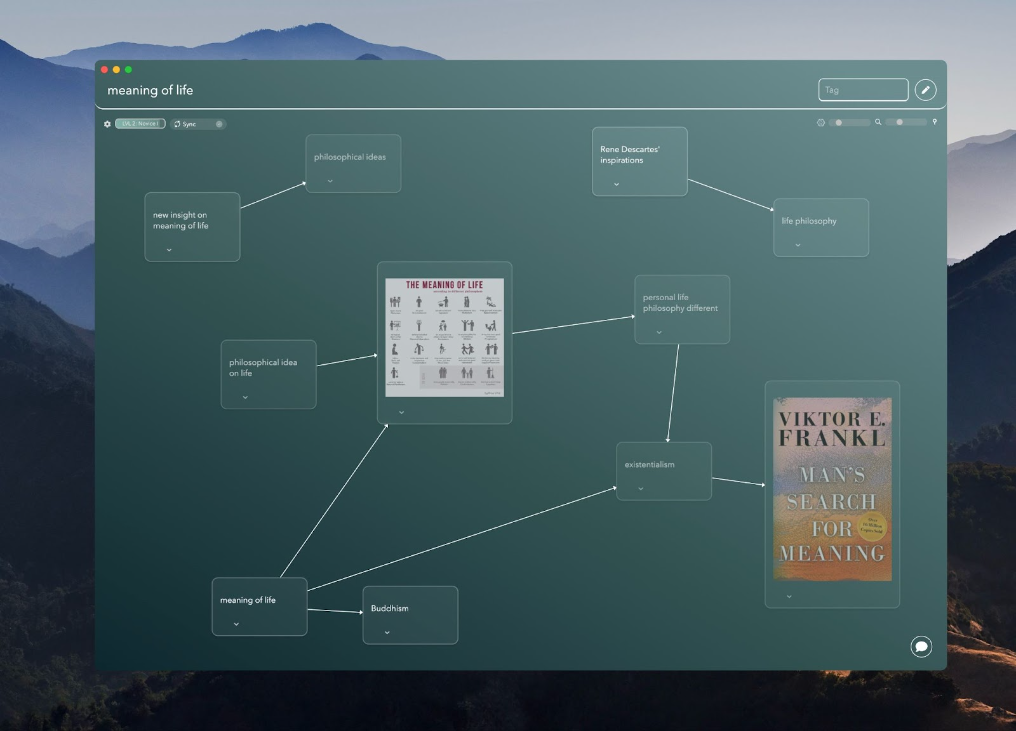
Constella.App is reshaping the way we approach note-taking, offering a suite of features that bridge the gap between structured organization and the fluidity of human thought. Designed to empower creative thinkers, researchers, and professionals alike, it transforms scattered ideas into well-connected knowledge.
1. Infinite Visual Graph
Imagine your thoughts displayed in a limitless, interactive space. Constella’s infinite visual graph brings this to life, enabling users to map their ideas as interconnected nodes. This approach mirrors how our brains naturally link concepts, fostering deeper understanding and innovative thinking. No more rigid lists or disconnected notes—Constella ensures your knowledge evolves as dynamically as your creativity.
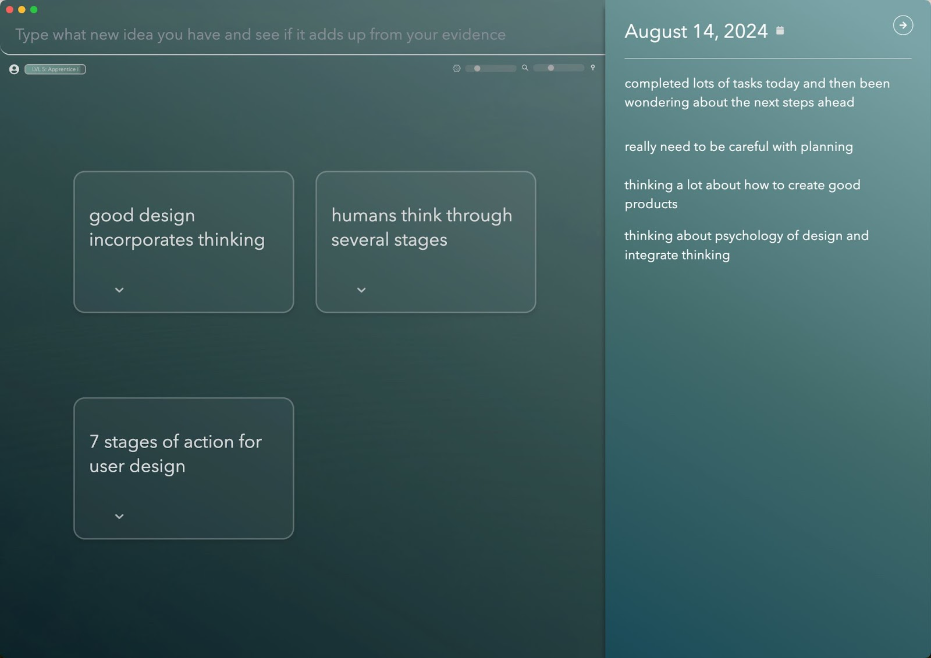
2. Jotting View for Quick Captures
Brilliance doesn’t always wait. Constella’s jotting view is perfect for capturing fleeting ideas or quick notes without interrupting your flow. Whether it’s a random insight during a meeting or a spark of inspiration while reading, jotting view keeps those lightbulb moments safe and accessible.
3. Intuitive Organization
Say goodbye to digital clutter. With features like tagging, categorization, and search optimization, Constella makes retrieving information seamless. The platform adapts to your workflow, keeping everything structured without feeling overwhelming.
4. An Experience That Mimics Your Brain
Constella isn't just a tool; it’s an extension of your cognitive process. Its design mimics the brain’s tendency to create networks of related information, making it easier to recall, reorganize, and expand on your ideas.
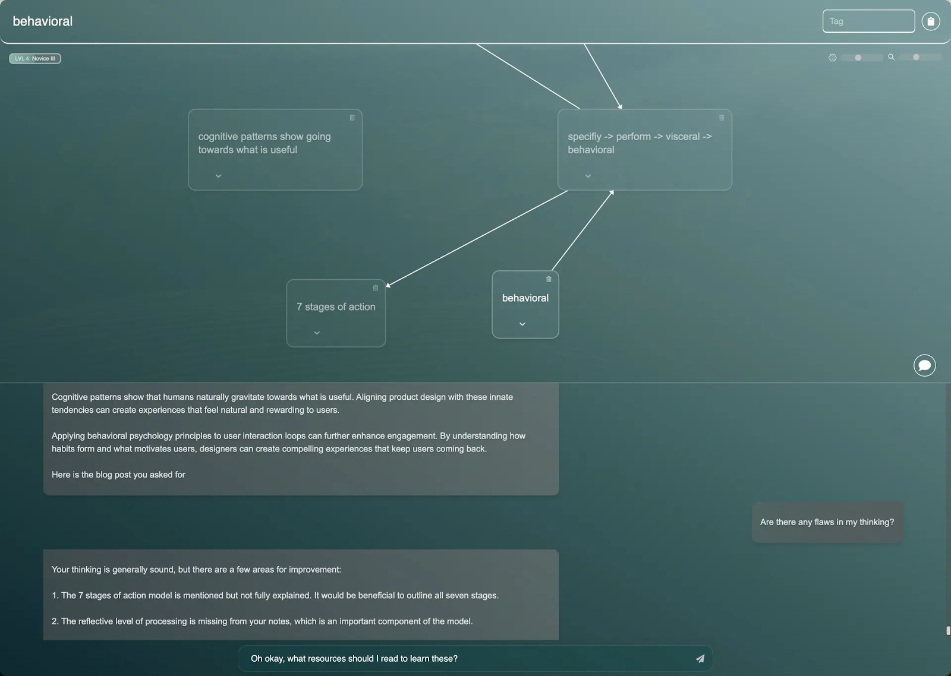
By integrating these features, Constella.App redefines what modern note-taking can be. It isn’t just about storing information—it’s about transforming it into a knowledge system that works for you. Whether you’re brainstorming a project, managing research, or simply keeping track of life’s myriad details, Constella.App ensures that your ideas don’t just sit still—they grow, connect, and inspire.
Embrace the Future of Note-Taking with Constella.App
Constella.App is a next-generation tool that allows quick writing and visualization, providing a seamless environment for capturing fleeting thoughts. With features that surface related notes as you type on a visual canvas, Constella makes everything at your fingertips.
Investing in such advanced technologies aligns with the evolving demands of our fast-paced world. By embracing Constella.App, you position yourself at the forefront of note-taking mastery, ensuring no idea goes unrecorded or forgotten.
FAQs (Frequently Asked Questions)
What is the significance of note-taking in the digital age?
The transition from traditional to digital note-taking methods has revolutionized the way we capture and organize information, enhancing productivity and creativity through innovative tools like Constella.App.
How did ancient civilizations contribute to the history of note-taking?
Early forms of note-taking among ancient Greeks and Romans included the use of wax tablets for recording information. The invention of paper in China further transformed note-taking practices, while monks played a crucial role in preserving knowledge during the Middle Ages.
What changes occurred in note-taking during the Renaissance and Scientific Revolution?
The Renaissance period saw the emergence of structured notes, with notable figures like Leonardo da Vinci contributing to this evolution. The Scientific Revolution introduced specialized scientific notebooks that changed how knowledge was documented.
What impact did typewriters and personal computers have on note-taking methods?
The introduction of typewriters and personal computers in the 20th century significantly altered note-taking practices, making it easier to capture and organize information compared to traditional paper methods.
How does voice-to-text technology enhance the note-taking process?
Voice-to-text technology has revolutionized capturing information by allowing users to dictate their notes, making the process faster and more efficient compared to traditional typing or handwriting.
What are some effective techniques for digital note-taking?
Modern techniques for effective digital note-taking include linear notes, non-linear methods like mind mapping, and structured formats such as Cornell Notes. These approaches cater to different learning styles and improve retention.
Want more insights like this?
Subscribe to get short productivity tips and useful summaries of new tools every week.
Want more insights like this?
Subscribe to get short productivity tips and useful summaries of new tools every week.


