
The daily routines of renowned artists and innovators reveal a fascinating interplay between structure and creativity. Figures like Ernest Hemingway, known for his disciplined morning writing sessions, and Georgia O'Keeffe, who balanced solitary work with the tranquility of nature, demonstrate that creativity flourishes when paired with intentional habits. These practices provide a stable foundation that nurtures imaginative thinking, emphasizing that creativity benefits from both freedom and routine.

Incorporating these insights into your own life can enhance your creative potential. Simple changes, like establishing morning rituals or finding a balance between solitude and collaboration, can transform your creative process into something more consistent and fulfilling. By drawing inspiration from the routines of creative thinkers, you can craft habits that unlock new levels of productivity and innovation.
The Role of Routine in Fostering Creativity
Understanding the importance of routine can be the key to unlocking creativity. Many renowned creative thinkers have embraced structured schedules to enhance their imaginative processes. These productivity habits serve not only as a framework for daily activities but also as a catalyst for innovative ideas. By examining the routines of creative minds, we can gain insights into how these habits help improve creativity.
Morning Rituals of Creative Minds
Morning rituals often set the tone for the day, creating a foundation upon which creativity can flourish. Early risers like Ernest Hemingway and Georgia O'Keeffe exemplify how structured morning routines contribute to their artistic success.
Ernest Hemingway

Known for his disciplined approach, Hemingway would rise at dawn and begin writing immediately. He believed that the quiet hours before sunrise were ideal for harnessing fresh ideas. His routine was simple yet effective—writing until he had accomplished his goal for the day, then stopping to leave room for contemplation and reflection.
Georgia O'Keeffe

A painter celebrated for her vibrant depictions of natural elements, O'Keeffe found inspiration in her surroundings. Her mornings were spent engaging with nature, often taking long walks before breakfast. This practice allowed her to observe and absorb her environment, translating it into her artwork later in the studio.
The importance of routine is evident in these examples; both creators used their mornings strategically to lay groundwork for their day's work. It demonstrates how early morning rituals can channel focus and energy towards productive outcomes.
The Power of a Structured Schedule in the Creative Process
Routine supports creativity by providing a framework that enables creative minds to flourish. A structured schedule can be seen as both a constraint and a liberation for the imagination, as it channels energy into productive outlets. Famous creators such as Gustave Flaubert and Le Corbusier exemplify how disciplined schedules can enhance creativity.

Examples of Creators Who Embrace Structure
- Gustave Flaubert, known for his meticulous approach to writing, adhered to a strict daily routine. His commitment to consistency allowed him to delve deeply into his creative process, producing works of unparalleled literary precision.
- Le Corbusier, a pioneer in modern architecture, maintained a rigid schedule that balanced work with periods of rest and reflection. This structure enabled him to push boundaries in design thinking and creativity for business.
These disciplined schedules highlight the importance of routine in fostering creativity. Early risers often find that morning rituals boost their productivity and set a positive tone for the day, while structured time blocks dedicated to idea generation and refinement help individuals navigate complex challenges with clarity and purpose, offering both discipline and freedom to explore new ideas within defined parameters.
Daily Habits that Ignite Innovative Thinking
Understanding the daily habits of creative thinkers can unveil powerful insights into idea generation and creative thinking activities. Among these habits, physical movement stands out as a significant catalyst for creativity.
Physical Movement as a Catalyst for Creativity
Walking for creativity is a practice embraced by many renowned creatives. This simple activity has been shown to enhance not only physical health but also mental productivity and creativity. Studies suggest that walking can improve cognitive functions such as memory, learning, and critical thinking. The rhythmic nature of walking allows the mind to wander freely, promoting novel connections between ideas. This often leads to unexpected insights and solutions.

- **Inspires creativity: **The act of walking has sparked inspiration in numerous artists and thinkers throughout history. For example, composers like Tchaikovsky and Beethoven incorporated daily walks into their routines. Tchaikovsky believed that walking for at least two hours was essential for his creative process. Beethoven famously indulged in long walks after lunch, carrying a pencil and sheets of paper to jot down musical ideas.
- Connection to nature: Walking outdoors connects individuals with nature, which is known to increase mindfulness and reduce stress—both important factors in fostering creative thought.
- Physical activity benefits: Regular physical activity boosts endorphin levels, improving mood and reducing anxiety. This improved mental state can lead to higher levels of creativity as it creates a conducive environment for idea generation.
The examples above demonstrate how incorporating physical movement into daily routines can significantly boost creative potential. By making small, manageable adjustments to our daily habits, such as regular walks or simple exercises, we can cultivate a more vibrant and imaginative mindset that enhances both personal and professional creativity.
Balancing Solitude and Social Interaction in the Creative Process
Sylvia Plath, renowned for her profound poetry, exemplifies how solitude can fuel creativity. This time alone allows for deep thinking and introspection, which are crucial for idea generation. Creative thinkers often rely on solitude to delve into complex thoughts without distractions, encouraging breakthrough moments and fostering innovation.

Social Interactions as Inspiration
While solitude is essential, engaging in social interactions provides a different kind of creative boost. Conversations and collaborations expose individuals to diverse perspectives and ideas, sparking new insights that might not occur in isolation. Many creatives balance these two elements, ensuring they harness the benefits of both quiet reflection and dynamic social exchanges.
Integrating both solitude and social interaction into your routine can unlock creative potential, as seen in the practices of many successful thinkers. Embrace this balance to stimulate innovative thinking effectively.
Using Mindfulness and Daydreaming to Boost Creativity
Mindfulness practices can greatly improve your creative thinking activities by enhancing focus and managing emotions. Many creative thinkers include mindfulness in their daily routines, discovering that it sharpens attention and fosters a deeper connection with their ideas. Simple methods like mindful breathing or meditation can help clear mental clutter, making space for innovative thoughts to arise.
The Power of Daydreaming

Daydreaming, often seen as unproductive time, is actually vital for generating ideas. Participating in this seemingly passive activity allows the mind to roam freely, exploring new concepts and linking previously unrelated thoughts. This exploration is crucial for creativity, as it encourages a departure from traditional thinking patterns.
Tools to Support Your Creative Journey: A Focus on Visual Note-Taking Software
The creative journey often thrives on tools that adapt to the user’s thought process, helping transform abstract ideas into tangible plans. While traditional note-taking apps remain functional, dynamic visual platforms like Constella.App have emerged as game changers for creative thinkers. These tools cater to the needs of individuals who seek more than just text-based organization, offering features that inspire innovation and foster clarity.
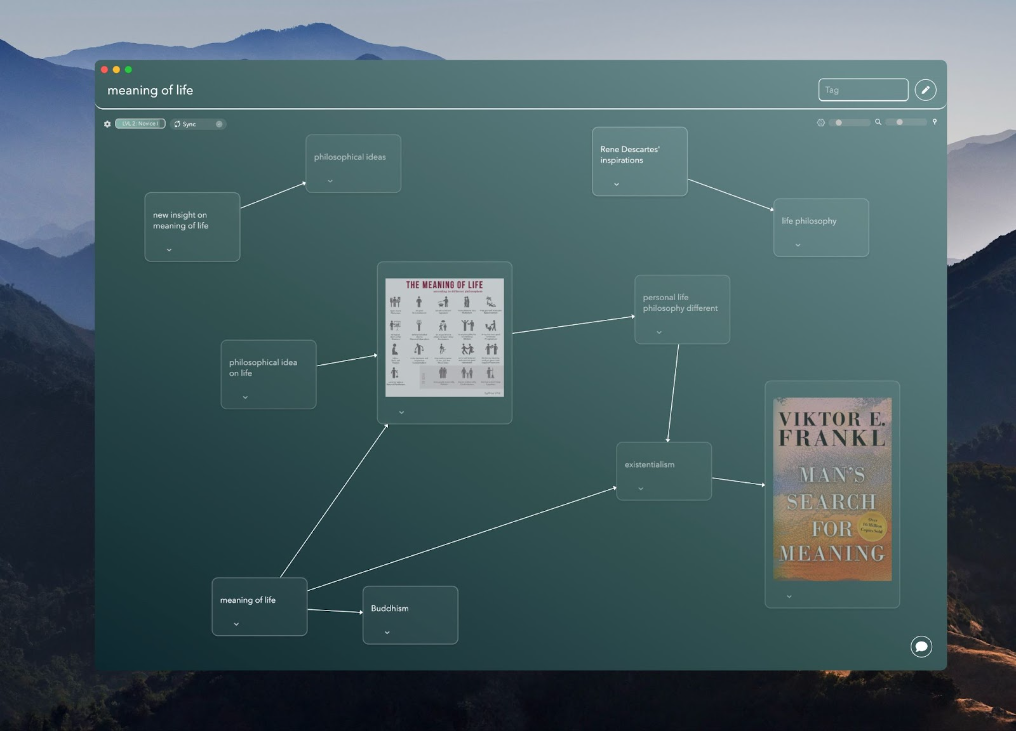
Why Constella.App Stands Out
Constella.App redefines note-taking with its infinite visual graph, providing an expansive digital canvas where users can map, connect, and explore ideas visually. This non-linear framework mirrors the brain’s natural way of linking concepts, making it easier to organize complex thoughts. Beyond just visual note-taking, the app introduces unique features like:
- Jotting View: A streamlined interface for quickly capturing ideas without disruptions.
- Stella AI Chat: A built-in assistant that enhances brainstorming and ideation by suggesting connections or answering queries within your notes.
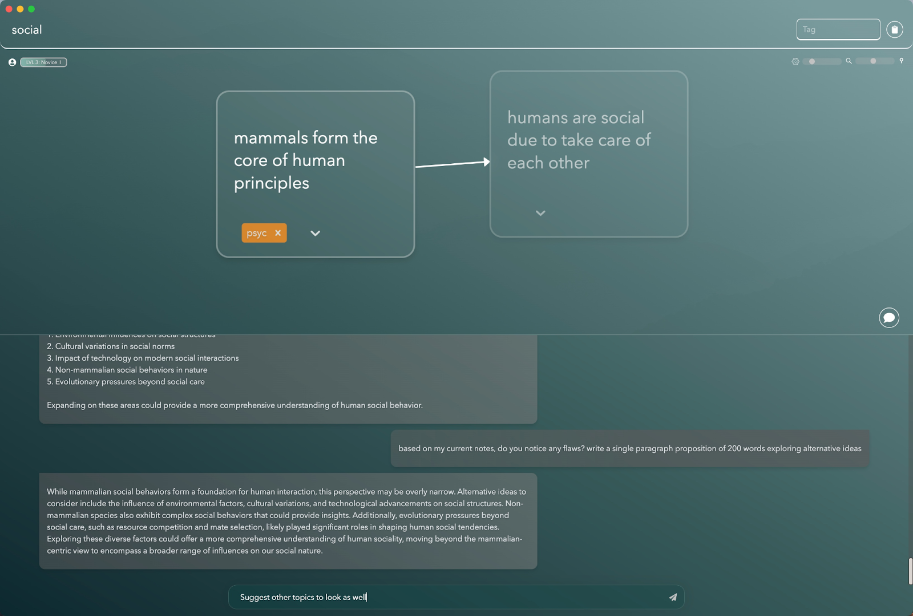
- Visual Backlinking: Seamlessly links related ideas, creating a network of interconnected thoughts that promote deeper understanding.
- Advanced Search: Intuitive and precise, allowing users to retrieve notes with ease, even in vast repositories of information.
These features make Constella.App an essential tool for creative thinkers who value clarity, flexibility, and insight. By combining intuitive design with powerful capabilities like Zettelkasten** support** and best PKM setup with AI, the app becomes more than just a workspace—it’s a catalyst for innovation.
For those seeking to elevate their creative process, Constella.App offers not just tools, but a philosophy of connection and exploration, helping turn fleeting thoughts into meaningful achievements.
Conclusion: Applying Lessons from Creative Thinkers to Enhance Your Own Creativity Using Constella.App
Insights from creative thinkers reveal the transformative power of daily habits. By applying lessons learned from their routines, you can infuse your life with inspiration and innovation. Embrace practices such as journaling, idea mapping, and balancing solitude with social interaction.
To incorporate these habits into your personal routine, consider leveraging tools like Constella.App. This next-generation platform not only enhances your ability to capture and visualize ideas but also supports the cultivation of creativity through structured note-taking and visualization features. You can discover more about how Constella enhances personal control and productivity with its innovative features.
The journey to unlocking your creative potential begins with small, consistent actions. With the right tools, like Constella.App, you can turn everyday activities into a canvas for ingenuity and imaginative exploration. If you're interested in mastering personal knowledge management to boost productivity and enhance learning, this ultimate guide for 2024 could be beneficial.
FAQs (Frequently Asked Questions)
What are the daily habits of creative thinkers?
The daily habits of creative thinkers often include structured routines, morning rituals, physical movement like walking, and a balance between solitude and social interaction. These habits can significantly enhance creativity and idea generation.
How does a routine foster creativity?
A routine fosters creativity by providing a structured schedule that allows for disciplined practice and focused time for creative activities. This can lead to improved productivity and the ability to tap into one's imagination more effectively.
What role do morning rituals play in the lives of famous creatives?
Morning rituals are crucial for many famous creatives, such as Ernest Hemingway and Georgia O'Keeffe, as they set the tone for the day. These rituals often include specific activities that help stimulate their creative processes and enhance productivity.
How does physical movement contribute to creativity?
Physical movement, particularly walking, has been shown to enhance productivity and inspire creativity. Notable composers like Tchaikovsky and Beethoven utilized walking as a means to generate ideas and overcome creative blocks.
What is the significance of balancing solitude and social interaction in creativity?
Balancing solitude and social interaction is vital in the creative process. Solitude allows for deep thinking and reflection, as seen with Sylvia Plath, while social interactions can provide inspiration and new ideas through collaboration.
How can tools like Constella.App aid in enhancing creativity?
Constella.App offers features that support visual note-taking, allowing users to quickly jot down thoughts and visualize connections. This next-generation tool helps streamline the creative process by making it easier to organize ideas compared to traditional note-taking methods.
Want more insights like this?
Subscribe to get short productivity tips and useful summaries of new tools every week.
Want more insights like this?
Subscribe to get short productivity tips and useful summaries of new tools every week.


