

Individuals with Autism Spectrum Disorder (ASD) often encounter unique challenges in note-taking. These difficulties can stem from issues such as sensory overload, cognitive processing differences, and attention regulation problems. As a result, autistic learners may struggle to capture and organize information effectively during lectures or meetings.
Mastering note-taking skills is crucial for academic success and professional growth. Effective learning through structured notes allows individuals to retain information better, engage with content more deeply, and perform well in exams or work tasks. Tailored approaches to autism note taking can significantly enhance an individual's ability to learn and recall information.
Note-Taking Challenges for People with Autism
Autistic students often face specific challenges during lectures and professional settings. These difficulties arise when they need to process verbal information quickly, which can affect their understanding and the quality of their notes. It becomes even more challenging when they have to listen, comprehend, and write at the same time—a task that can be especially demanding.
Cognitive difficulties have a significant impact on learning. These challenges may include problems with remembering information or issues with regulating attention. For many autistic individuals, staying focused in the presence of distractions can be a major obstacle, resulting in gaps in note-taking and comprehension.
Sensory Overload Effects
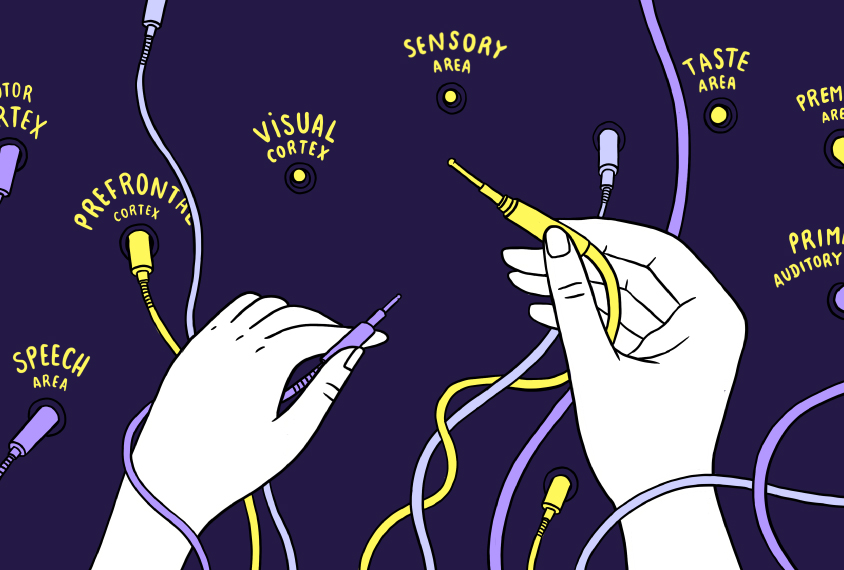
Another important factor is sensory overload, where excessive stimuli from the environment overwhelm the senses. This state can severely disrupt a student's ability to concentrate on extracting and recording essential information during lectures or meetings. The sensory input can cloud cognitive processes, making it challenging to filter and prioritize data effectively.
Understanding these challenges is crucial in developing tailored strategies that accommodate the unique needs of autistic learners. By addressing these areas—comprehension and recall difficulties, attention regulation struggles, and sensory overload—educators and professionals can better support autistic individuals in their academic and professional endeavors.
The Importance of Tailored Note-Taking Strategies
Students with Autism Spectrum Disorder (ASD) benefit significantly from customized note-taking strategies, as traditional methods often clash with their unique learning needs. By tailoring techniques to align with their cognitive processes and providing educational support through personalized approaches, autistic students can enhance their academic performance and thrive in professional settings.

- Individualized Education Programs (IEPs): Custom plans designed to meet specific learning needs.
- Assistive Technology: Devices and software that facilitate effective communication and information capture.
- Specialized Tutoring: Focused sessions aimed at improving organizational and study skills.
Understanding individual learning styles is crucial for effective note-taking strategies, with some students preferring visual aids like mind maps and others benefiting from auditory supports such as voice recordings. By recognizing these preferences and integrating them into personal knowledge management, autistic individuals can develop systems that enhance comprehension, foster confidence, and ensure better information retention across various environments.
Effective Note-Taking Techniques for People with Autism
Exploring note-taking methods can be a game-changer for autistic people. Various techniques offer unique benefits tailored to their needs, aiding in information retention and comprehension.
1. Cornell Method

The Cornell Method is renowned for its structured approach, which can significantly benefit students with autism. This method involves dividing the paper into three sections: notes, cues, and summary. The main section is used for class notes, the left column captures keywords or questions, and the bottom section serves as a summary of the page's content. This layout fosters organization and helps in reviewing key concepts efficiently.
2. Outlining

Outlining provides a hierarchical structure that breaks down information into main topics and subtopics. This method can help autistic learners by offering a clear visual representation of how ideas are interconnected. It aids in distinguishing between primary and secondary information, crucial for understanding complex subjects.
3. Mind Mapping

Mind Mapping leverages visual representation to organize information spatially. For autistic individuals who are visual thinkers, this method can enhance creativity and memory retention by linking ideas through branches stemming from a central concept. Mind maps encourage nonlinear thinking, making it easier to see relationships between different pieces of information.
4. Charting

Through Charting, students can compare information side-by-side using tables or grids. This technique is particularly beneficial when dealing with data-heavy subjects or when needing to understand relationships between different sets of information quickly. Charting helps in organizing thoughts logically and systematically.
Creating a Supportive Environment for Autistic Learners
Creating an inclusive environment is essential for autistic learners to succeed in their studies and future careers. A supportive atmosphere can help reduce anxiety, limit sensory overload, and allow students to concentrate on learning instead of being distracted by their surroundings.
1. Strategies to Promote Student Autonomy in Note-Taking
It is important to encourage autistic students to take control of their own learning by finding ways to adapt note-taking techniques that work best for them. Here are some strategies that can be implemented:
- Offering flexible note-taking options: Allow students to choose between written, typed, or audio notes.
- Providing access to assistive technology: Tools like speech-to-text software can be invaluable.
- Encouraging peer collaboration: Group work can provide different perspectives and help in refining note-taking skills.
2. The Role of Higher Education Institutions
Higher education institutions have a significant responsibility in supporting students with learning disabilities. By adopting these strategies, they not only improve educational outcomes but also empower autistic individuals to thrive in various settings. This approach benefits both the learners and the larger educational community.
Exploring Constella.App as a Next-Generation Tool for Note-Taking
Constella.App is an innovative solution designed specifically for individuals with Autism Spectrum Disorder (ASD) to enhance their note-taking experience. This next-generation tool, created to address the unique challenges faced by autistic learners, offers features that cater to their specific needs and preferences.
1. Infinite Graph
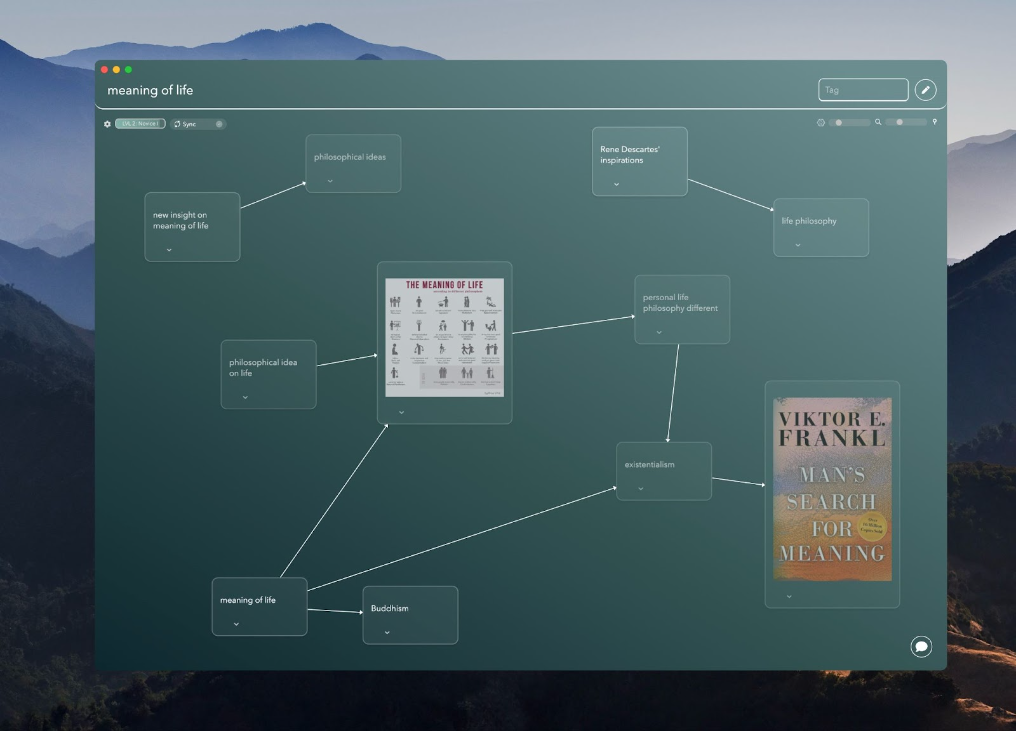
A standout feature of Constella.App, the infinite graph, facilitates quick organization of thoughts. This feature allows users to map out ideas in a way that suits their cognitive style, reducing feelings of overwhelm during lectures or meetings. By providing a visual structure, the infinite graph helps users connect and categorize information intuitively, aligning with the strengths of many autistic thinkers who benefit from visual learning aids.
2. Jotting View
The jotting view feature in Constella.App enhances note-taking efficiency through a streamlined, distraction-free interface that allows users to focus on capturing essential information while seamlessly organizing and accessing their notes, making it particularly beneficial for individuals with autism who may struggle with traditional note-taking methods.
Moreover, Constella also offers innovative features that enhance personal control and productivity by tracking what's going on in one's life. With its ability to surface related notes as you type on a visual canvas, Constella ensures that no more hunting through files and folders is necessary - everything is effortlessly at your fingertips.
Take Better Notes at Work with Autism-Friendly Techniques
Navigating professional settings can be challenging for individuals with Autism Spectrum Disorder (ASD), particularly when it comes to capturing effective meeting notes. Here are some techniques that cater specifically to their needs:
- Preparation is Key: Before attending a meeting, reviewing the agenda helps to anticipate the topics of discussion. This preparation can serve as a mental framework, aiding in information retention.
- Use Visual Aids: Employing visual tools like diagrams or charts during note-taking can assist in organizing thoughts and making connections between key points.
- Attention Regulation Strategies: Implement techniques such as focusing on keywords instead of trying to transcribe everything. Highlighting or underlining important points can make them stand out for later review.
- Minimize Distractions: Position yourself in a quiet corner of the room where fewer distractions occur. Using noise-canceling headphones might also help maintain focus during lengthy meetings.
- Leverage Technology: Tools like Google Docs' voice typing feature allow for hands-free note-taking, which can be beneficial if manual writing becomes overwhelming.
These methods not only enhance the quality of meeting notes but also support individuals with ASD in maintaining their attention and productivity at work. Embracing these autism-friendly techniques promotes a more inclusive environment where everyone has the opportunity to thrive professionally.
Conclusion
Learning with autism comes with unique hurdles, especially when it comes to note-taking, but it’s absolutely possible to turn these challenges into strengths. With the right techniques and tools, like Constella.App, note-taking can become not just manageable but empowering. Constella offers a simple and adaptable way to organize your thoughts and ideas without feeling overwhelmed by information overload.
It’s all about finding what works best for you. Maybe you love the structure of the Cornell Method, which keeps your notes tidy and focused. Or perhaps you thrive with mind mapping, where you can visually connect ideas in a way that makes sense to you.

For those who love structure, exploring the Zettelkasten method might be a game-changer. It’s a powerful way to link ideas and see patterns in your notes over time. Combine it with tools like Constella.App, and you’ve got a system that not only organizes your notes but also helps you stay on top of your projects, lectures, or work meetings effortlessly.
Remember, there’s no “one-size-fits-all” approach—what’s most important is finding tools and strategies that feel comfortable and natural for you. Start small, experiment with different methods, and let these tools guide you toward smoother, stress-free learning and working experiences. With patience and the right setup, note-taking can transform from a challenge into one of your greatest assets!
FAQs (Frequently Asked Questions)
What are the unique note-taking challenges faced by students with Autism Spectrum Disorder (ASD)?
Students with ASD often encounter cognitive difficulties, sensory overload, and challenges in comprehension and recall during lectures. These factors can hinder their ability to retain information and regulate attention, making effective note-taking more complex.
Why are tailored note-taking strategies important for students with ASD?
Tailored note-taking strategies are essential for students with ASD as they help accommodate individual learning styles and cognitive needs. Personalized approaches can enhance academic success and professional performance by addressing the specific challenges faced by autistic learners.
What effective note-taking techniques can benefit students with autism?
Several techniques can be beneficial for autistic learners, including the Cornell Method for structured notes, Outlining for hierarchical organization, Mind Mapping for visual representation, Charting for comparison through tables, and the Sentence Method for simplicity and clarity.
How can technology enhance note-taking for autistic students?
Technology can significantly support note-taking through tools like Google Docs, which offers features such as voice typing and collaboration, making it easier to capture information during lectures. Google Keep provides visual aids and audio notes that help organize thoughts effectively.
What role does a supportive learning environment play for autistic learners?
Creating a supportive learning environment is crucial for autistic individuals to thrive academically and professionally. Strategies that promote student autonomy in note-taking allow them to develop personalized methods that cater to their unique needs and enhance their learning experience.
What is Constella.App and how does it assist in note-taking for individuals with ASD?
Constella.App is an innovative tool designed specifically for individuals with ASD to improve their note-taking experience. It features an infinite graph that helps organize thoughts quickly while minimizing overwhelm, along with a jotting view that facilitates efficient typing and information retrieval.
Want more insights like this?
Subscribe to get short productivity tips and useful summaries of new tools every week.
Want more insights like this?
Subscribe to get short productivity tips and useful summaries of new tools every week.


