
Understanding neurodivergence and its spectrum is key to recognizing the unique ways individuals process information. ADHD, or Attention Deficit Hyperactivity Disorder, is a prevalent form of neurodivergence characterized by challenges in sustaining focus, impulsivity, and hyperactivity. People with ADHD often face hurdles in maintaining concentration, especially in environments not tailored to their cognitive style.

This article dives into crafting the perfect ADHD focus playlist using neurodivergent music techniques. These techniques create immersive auditory experiences that cater specifically to neurodivergent needs, offering potential paths to better attention management.
If you're searching for ADHD relief music or looking for specific ADHD songs for studying, explore how these methods might help you find your ideal study soundtrack. Additionally, tools like Constella can assist in organizing your study materials efficiently, allowing you to have everything at your fingertips while you enjoy your customized ADHD focus playlist.
The Role of Music in Mental Health and Focus Enhancement
How Music Affects the ADHD Brain
Research shows that people with ADHD often experience low dopamine levels, a neurotransmitter linked to motivation, pleasure, and focus. Music stimulates dopamine production, which may help individuals stay focused on tasks. For those with ADHD, specific types of music can also regulate emotions and enhance attention spans.
Research on Music Therapy and ADHD
Studies reveal that listening to specific kinds of music can reduce stress and improve task completion in those with ADHD. According to psychologists, rhythmic and melodic elements can provide a sense of structure, helping the brain remain engaged with tasks for longer periods. For example, slow-tempo music has been found to promote relaxation and mental clarity, while fast-tempo music energizes, depending on the individual’s current focus needs.
Sound and Rhythm’s Impact on Cognitive Processes
The beat and rhythm of music create predictable structures that the brain can latch onto, which can be helpful for ADHD minds that might otherwise wander. Rhythmic music, especially in lower frequencies, aids in balancing cognitive processes by providing external structure and enhancing attentiveness.
Creating an Effective ADHD Focus Playlist with Neurodivergent Music Techniques
1. Panning Music: An Immersive Experience for Enhanced Concentration
Panning music offers a unique auditory experience by manipulating the direction of sound within the stereo field, creating a dynamic listening environment that can significantly benefit individuals with ADHD. This technique involves moving sounds from one ear to another, which engages the brain in a way that supports enhanced focus and concentration. The constant shift between audio channels requires the brain to process incoming information actively, helping maintain attention and minimize distractions.

Benefits of Panning Music for ADHD
- Brain's Processing Capabilities: Engaging both hemispheres through panning can stimulate cognitive functions, potentially aiding in tasks requiring sustained attention. The immersive nature of panning music gently encourages mental engagement without overwhelming sensory input.
- Comparison with EMDR Therapy: Eye Movement Desensitization and Reprocessing (EMDR) therapy employs bilateral stimulation to aid in processing traumatic experiences. While EMDR uses visual stimuli, panning music utilizes auditory pathways to achieve a similar calming effect. The rhythmic movement of sound from left to right can promote relaxation while keeping the listener mentally alert, crafting a conducive environment for concentration.
- Enhanced Focus through Bilateral Stimulation: For those with ADHD, maintaining focus can be challenging due to frequent shifts in attention. Panning music's bilateral auditory stimulation mirrors techniques used in therapeutic settings to anchor cognitive activity, providing a steady rhythm that guides attention back to the task at hand.
By integrating these elements into an ADHD concentration music playlist, you can create a tailored audio experience that aligns with neurodivergent needs. This approach not only supports focus but also offers a customizable solution for individuals seeking specific auditory environments for different tasks or moods.
2. Exploring 8D Audio Effects: A Unique Approach to ADHD-Friendly Soundscapes
8D audio transforms traditional listening experiences by creating a sense of spatial immersion, manipulating sound to simulate a three-dimensional environment where audio moves around the listener. For individuals with ADHD, this spatial immersion can be particularly beneficial, as research suggests these immersive audio experiences can reduce distractions and promote heightened focus by engaging multiple areas of the brain simultaneously, making it an effective addition to ADHD concentration music playlists.

Recommended Tracks for Enhanced Focus
When crafting a playlist designed for maximum focus, consider including genres that complement the immersive nature of 8D audio:
- Instrumental and Classical Music: Instrumental music, especially classical compositions by Bach, Mozart, or Vivaldi, provides structure without overwhelming listeners with lyrics. This type of music is particularly useful for blocking distractions while working on deep focus tasks, as its balanced melodies help create a calm environment. Classical music's predictable patterns can help ground the mind, keeping it from wandering off task.
- Lo-fi and Ambient Music: Lo-fi and ambient music are popular among people with ADHD for their steady, relaxed beats and minimal distractions. Lo-fi music typically features a low-key beat and simple melodies, creating a calming and consistent auditory environment that helps listeners stay engaged without feeling over-stimulated. Similarly, ambient music offers atmospheric soundscapes that support concentration and productivity, especially during prolonged tasks.

- **Binaural Beats and Isochronic Tones: **Binaural beats and isochronic tones work by creating specific frequency patterns that interact with brainwave frequencies associated with focus and relaxation. For example, theta waves (associated with relaxation and creativity) and beta waves (linked to concentration and alertness) are common targets. Many find that binaural beats with a frequency around 12-20 Hz help with focus and alertness. Experimenting with these can help those with ADHD find the best frequency for their needs.
- White Noise and Nature Sounds: White noise and sounds from nature, such as rain or ocean waves, are effective for masking background noises and enhancing concentration. White noise offers a neutral auditory experience that can calm the mind, while nature sounds provide a similar effect, often with additional relaxing properties. Using white noise or nature sounds in a controlled environment can create a cocoon of sound that helps people maintain a steady state of focus.
The importance of playlist curation lies in recognizing that different types of tracks cater to varying needs, whether calming anxiety or boosting concentration. Personalizing your neurodivergent-friendly playlist with these elements ensures an optimal balance between focus and relaxation tailored to individual preferences.
Personalizing Your Neurodivergent Music Playlist: Understanding Individual Needs
Therapeutic uses of personalized music playlists for neurodivergent individuals, particularly those with ADHD, underscore the importance of tailoring these auditory experiences to personal preferences and triggers. Crafting a playlist that aligns with your unique needs can significantly enhance its effectiveness, whether you're seeking anxiety relief or concentration enhancement.
Identify Personal Triggers
To create a playlist that truly resonates with you, it's essential to identify your personal triggers—those specific elements in music that evoke certain emotional responses or mental states. Here are some steps you can take to uncover these triggers:
- Mood Assessment: Pay attention to how different genres of music make you feel. Keep track of your emotional response to various styles—does classical music calm you down, or does instrumental jazz stimulate your focus?
- Task Correlation: Experiment with aligning specific playlists to different tasks. For example, use upbeat tracks for energy-driven activities like exercising or cleaning, while reserving soothing melodies for more reflective work such as writing or studying.
- Feedback Loop: Regularly evaluate how each song impacts your concentration and mood during specific activities. Take note of which tracks help you stay focused and which ones might be distracting. Adjust your playlist accordingly based on this feedback loop.
Exploring Personal Knowledge Management
In addition to these strategies, you might also want to explore how mastering personal knowledge management could further aid in optimizing your playlist creation process. By effectively managing your knowledge about what works best for you in terms of music—whether it's certain artists, genres, or specific songs—you can enhance productivity and focus even more.
Considering Neurodivergent-Friendly Music
When curating your playlist, it's important to consider the types of music that are known to be neurodivergent-friendly. This includes genres such as panning music or 8D audio, which utilize immersive sound techniques that may benefit some individuals on the spectrum.
However, keep in mind that everyone's preferences vary—what works wonders for one person might not resonate at all with another. Therefore, experimentation is key here! Don't hesitate to try out different styles and see how they impact your concentration levels.
Understanding individual reactions is crucial for creating an effective playlist, and by paying attention to how different music affects you and adjusting your selections accordingly, you can maximize music's therapeutic benefits for your neurodivergent needs, ensuring each listening session becomes a powerful tool for focus and productivity enhancement.
Additional Tools to Optimize Focus While Using Neurodivergent Music Playlists
Constella.App's innovative features offer a unique approach to enhancing focus and productivity for individuals with ADHD. At the heart of its functionality is the infinite graph concept, which seamlessly integrates with curated music playlists. This feature is specifically designed to complement and elevate your study or work sessions by providing a dynamic and interactive interface.
Track Your Thoughts with Constella
Tracking your thoughts related to focus, productivity, and distraction management becomes intuitive with Constella. The app allows users to visualize their cognitive processes, making it easier to identify patterns and triggers that may affect concentration levels. By mapping out these thought processes using techniques similar to the Zettelkasten method, users can tailor their music playlists further, ensuring a personalized experience that addresses their unique needs.
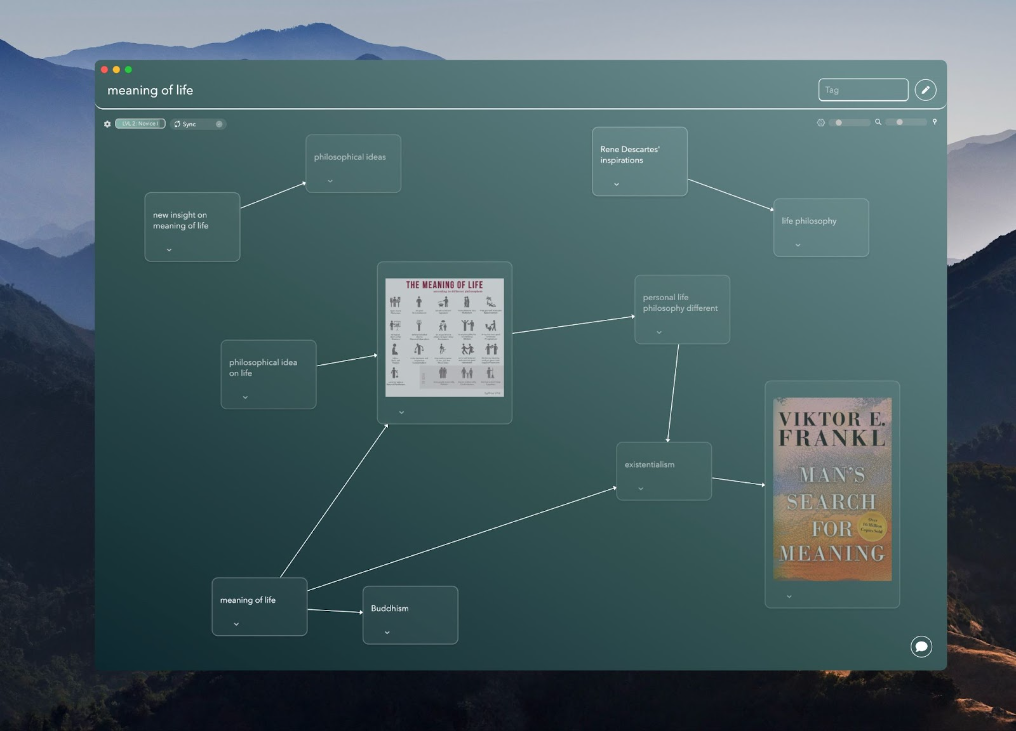
Constella.App is designed as a supportive tool for ADHD and neurodivergent users to organize thoughts, manage tasks, and maintain productivity. Using Constella in combination with music for ADHD can help users structure their day, track focus, and create routines that align with personalized needs. Here’s how Constella features enhance focus:
- Journaling for Self-Awareness: Track how different music genres or types impact focus, helping fine-tune playlists over time.
- Task Management: Set up tasks that link to specific playlists, creating focused workflows.
- Daily Planning and Goals: Plan tasks with sound in mind, creating sections in the day for specific playlists to match productivity goals.
- Reflection & Insights: Review reflections or notes on productivity, allowing you to assess and adjust music choices for improved focus.
Utilizing Constella.App as a cognitive tool helps bridge the gap between musical therapy and practical application, offering neurodivergent individuals the ability to optimize their mental performance in real-time. By leveraging technology alongside neurodivergent-friendly music, users can create an environment conducive to enhanced concentration and overall well-being.
Conclusion
Exploring neurodivergent music for ADHD has revealed strategies to effectively manage symptoms and enhance focus. By incorporating techniques such as panning music and 8D audio, individuals can create immersive soundscapes that cater to diverse attention needs. These auditory experiences may facilitate relaxation, improve cognitive engagement, and provide a tailored approach to concentration challenges.
In this journey of self-discovery and adaptation, you might also consider exploring different note-taking methods that complement your learning style. For instance, document-based note-taking, which utilizes platforms like Apple Notes, Notion, or Google Docs, could be a beneficial strategy to organize thoughts and ideas effectively.
Embrace this journey with an open mind. Whether or not you choose to incorporate these methods into your routine should depend on your comfort level and interest. Remember, it's about discovering a personalized path that supports your focus and productivity goals.
FAQs (Frequently Asked Questions)
What is neurodivergence and how does it relate to ADHD?
Neurodivergence refers to the diverse range of neurological conditions that affect cognitive functioning, including ADHD. Individuals with ADHD often face challenges in focus and concentration, highlighting the need for tailored approaches to support their unique needs.
How can music enhance concentration for individuals with ADHD?
Music plays a significant role in enhancing focus and concentration for individuals with ADHD. It can facilitate emotional release, improve mental health, and create an environment conducive to studying. Techniques like panning music and 8D audio can further enhance these effects.
What is panning music and how does it help with concentration?
Panning music involves moving sounds between different audio channels, creating an immersive experience that enhances the brain's processing capabilities. This technique has similarities to EMDR therapy, promoting relaxation while maintaining cognitive engagement, which can be particularly beneficial for those with ADHD.
What are the benefits of using 8D audio for ADHD-friendly soundscapes?
8D audio creates a sense of spatial immersion by manipulating sound in a way that engages listeners' attention. This immersive experience can positively impact attention span and task performance, making it an effective tool for individuals with ADHD.
How can I personalize my neurodivergent music playlist?
Personalizing your playlist is crucial for maximizing its effectiveness. Consider your preferences and triggers—whether you need anxiety relief or enhanced concentration. Assess your responses to different types of neurodivergent-friendly music to curate a playlist that suits your individual needs.
What additional tools can help optimize focus while using neurodivergent music playlists?
Tools like Constella.App can complement curated playlists by offering features that track thoughts related to focus, productivity, and distraction management over time. This innovative approach helps individuals with ADHD enhance their study or work sessions effectively.
Want more insights like this?
Subscribe to get short productivity tips and useful summaries of new tools every week.
Want more insights like this?
Subscribe to get short productivity tips and useful summaries of new tools every week.


