
In today’s fast-paced world, connecting ideas is the fuel for creativity and innovation. By linking disparate concepts, we can generate fresh insights that lead to groundbreaking solutions. This ability to merge information from different sources challenges conventional thinking and pushes the boundaries of what’s possible. It’s not just about finding answers, but about seeing connections that others might miss—creating a fertile ground for new ideas and innovations.

The true power of idea connection lies in its transformative potential. Innovators who master this skill can uncover hidden patterns, solve complex problems, and redefine industries. By adopting cognitive strategies like pattern recognition and lateral thinking, individuals and organizations can cultivate a culture of continuous improvement. Tools such as Personal Knowledge Management Systems (PKMS) help streamline this process, making it easier to organize and synthesize information, leading to a more effective and dynamic creative process.
The Science Behind Connecting Ideas: Unraveling Cognitive Innovation
The ability to connect ideas isn’t just a stroke of creative genius—it’s deeply rooted in the mechanisms of our brain. Cognitive science reveals that this skill hinges on two key processes: pattern recognition and lateral thinking, both of which are crucial for understanding and innovation.
Spotting the Invisible Links: Pattern Recognition
Pattern recognition is like your brain’s built-in detective, constantly on the lookout for structures and connections within information. It’s the magic behind your ability to recognize a friend in a crowded room or to make sense of a new concept by linking it to something familiar. This ability allows us to organize chaos into meaningful systems, turning fragments of data into cohesive insights.
Why does this matter? It’s the cornerstone of learning and innovation. In fields like AI, mathematics, and even storytelling, identifying patterns reveals hidden truths and drives problem-solving. Picture yourself analyzing unrelated historical events only to uncover a recurring theme—suddenly, you see the bigger picture and gain profound insights into societal trends. The more patterns you recognize, the richer your mental map of the world becomes.
Breaking the Mold: Lateral Thinking
Lateral thinking flips traditional problem-solving on its head. Coined by Edward de Bono, it’s about ditching the straight road and forging unexpected paths. Instead of trudging through problems step by step, lateral thinking encourages leaps of imagination, breaking free from conventional boundaries.
Why is this transformative? It fosters groundbreaking innovation by connecting dots that others don’t even see. For example, blending e-commerce with social networking created Instagram Shops, a game-changer in how we connect and shop. Lateral thinking doesn’t just solve problems; it reinvents them. It’s like being handed a puzzle with missing pieces and deciding to create a completely new picture instead.
Creative Recombination: Building Novelty from Familiarity

At the heart of innovation lies creative recombination—the art of merging existing ideas in fresh ways. This process fuels breakthroughs by blending the old and the new:
- Technology: Smartphones unite a phone, camera, computer, and more, fundamentally altering how we communicate and interact.
- Art: Cubism, pioneered by Picasso, reshaped visual representation by merging multiple perspectives into one canvas.
- Science: Alexander Fleming’s discovery of penicillin is a classic case. By observing unexpected patterns (mold inhibiting bacteria), he revolutionized medicine.
Understanding the science behind idea connection isn’t just intellectually satisfying—it’s transformative. Whether solving problems, creating art, or innovating in technology, leveraging these cognitive processes equips us to unlock new realms of possibility.
By fostering environments that encourage pattern recognition and lateral thinking, we create fertile ground for creativity, discovery, and progress across disciplines.
Skills for Innovation Through Connection
Connecting ideas from different realms is essential for driving innovation, and key skills are needed to foster this connection. These skills not only enable idea generation but also push creative boundaries and unlock unexpected insights. Here's a breakdown of the critical elements for cultivating a mindset of innovation.
Curiosity as a Catalyst
Curiosity is the engine that powers innovation. It compels us to explore new ideas, ask probing questions, and challenge established thinking. By fostering curiosity, we create the mental space needed for novel connections to emerge.

- Questioning: Develop a habit of asking insightful “why,” “how,” and “what if” questions to break conventional thinking.
- Exploration: Go beyond your usual subjects by exploring diverse fields and interests.
- Openness to New Ideas: Engage with unfamiliar viewpoints and perspectives, expanding your mental horizons.
Experimentation with Ideas
Once ideas are connected, experimentation allows you to bring them to life. Testing, iterating, and refining ideas through experimentation enable deeper insights and validate their practical applications. This hands-on approach is crucial for turning abstract ideas into real-world innovations.

- Prototyping: Build quick, low-fidelity prototypes to test your concepts without committing too many resources.
- Feedback Loops: Seek diverse feedback from peers, mentors, or collaborators to refine your ideas from different perspectives.
- Iterative Improvement: Embrace the process of constant tweaking and learning through failure to improve your ideas.
Key Skills for Connecting Ideas
To unlock innovative potential, developing certain skills is vital. Open-mindedness tops the list, as it pushes you to explore ideas from different disciplines without judgment, creating a fertile ground for unexpected insights. Next, adaptability ensures your thinking evolves as new information and perspectives come to light, preventing stagnation and fostering dynamic growth. Lastly, interdisciplinary thinking enables you to weave together knowledge from diverse fields, crafting hybrid solutions that shatter conventional boundaries.
By mastering these skills, you cultivate a mindset primed for discovery. This blend of curiosity, flexibility, and cross-disciplinary exploration equips you to make connections that not only solve problems but redefine them, fueling innovation and continuous growth in every aspect of life.
Personal Knowledge Management Systems (PKMS) as Tools for Innovation
Personal Knowledge Management Systems (PKMS) are invaluable tools for fostering innovation by helping individuals manage, connect, and apply knowledge in creative ways. A PKMS provides a structured framework for organizing thoughts, capturing new insights, and making connections between different ideas. This not only makes it easier to access information but also enables you to see relationships between disparate concepts, which is a key element of creative problem-solving.
The ability to connect seemingly unrelated ideas often sparks breakthroughs. A PKMS facilitates this process by creating an environment that promotes continuous learning and idea synthesis. By consolidating your thoughts and knowledge into one accessible system, you can spot patterns, recognize gaps, and generate novel solutions that would otherwise remain hidden. This dynamic process of connecting ideas is crucial for driving innovation, whether you're developing new products, designing processes, or solving complex problems.
Constella.App: Innovative Features for Connecting Ideas and Boosting Innovation
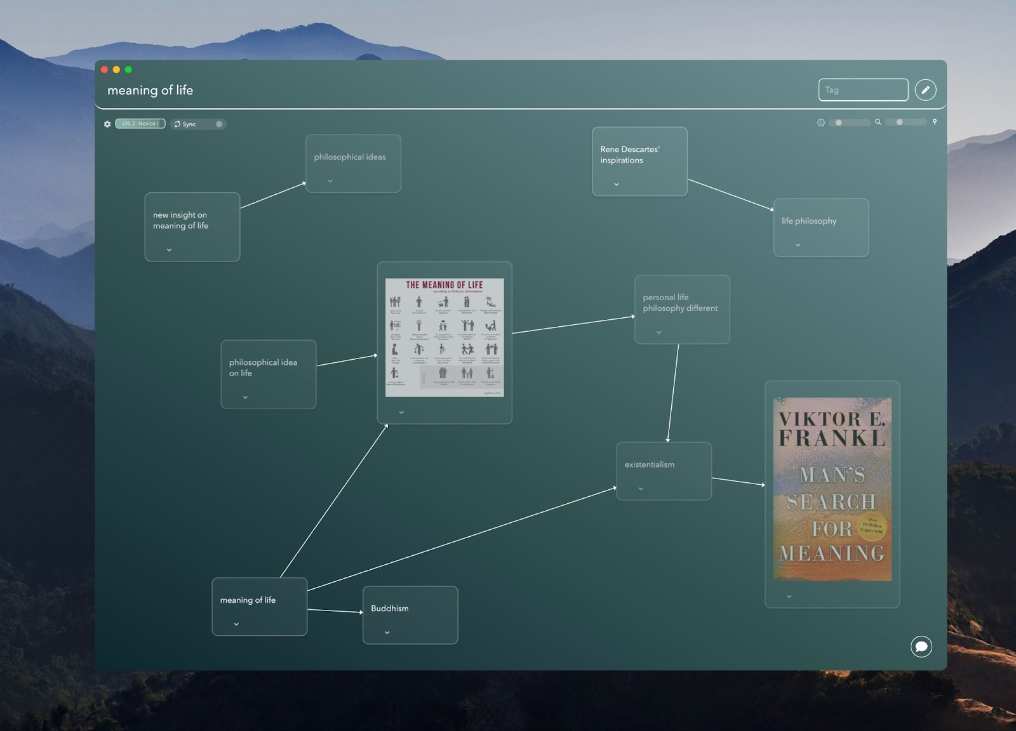
Constella.App takes Personal Knowledge Management to the next level by offering unique features designed to enhance creativity, streamline idea connections, and support innovation. Here’s how its features help you manage your knowledge dynamically:
Infinite Visual Graph
This feature provides a dynamic visual representation of your ideas. With the Infinite Visual Graph, you can map out your thoughts and their connections, allowing you to see the relationships between different concepts. This approach promotes a holistic view of your knowledge, helping you identify patterns and potential connections that might otherwise be overlooked. It's like having a mental blueprint where ideas evolve and branch out naturally.
Intuitive Linking
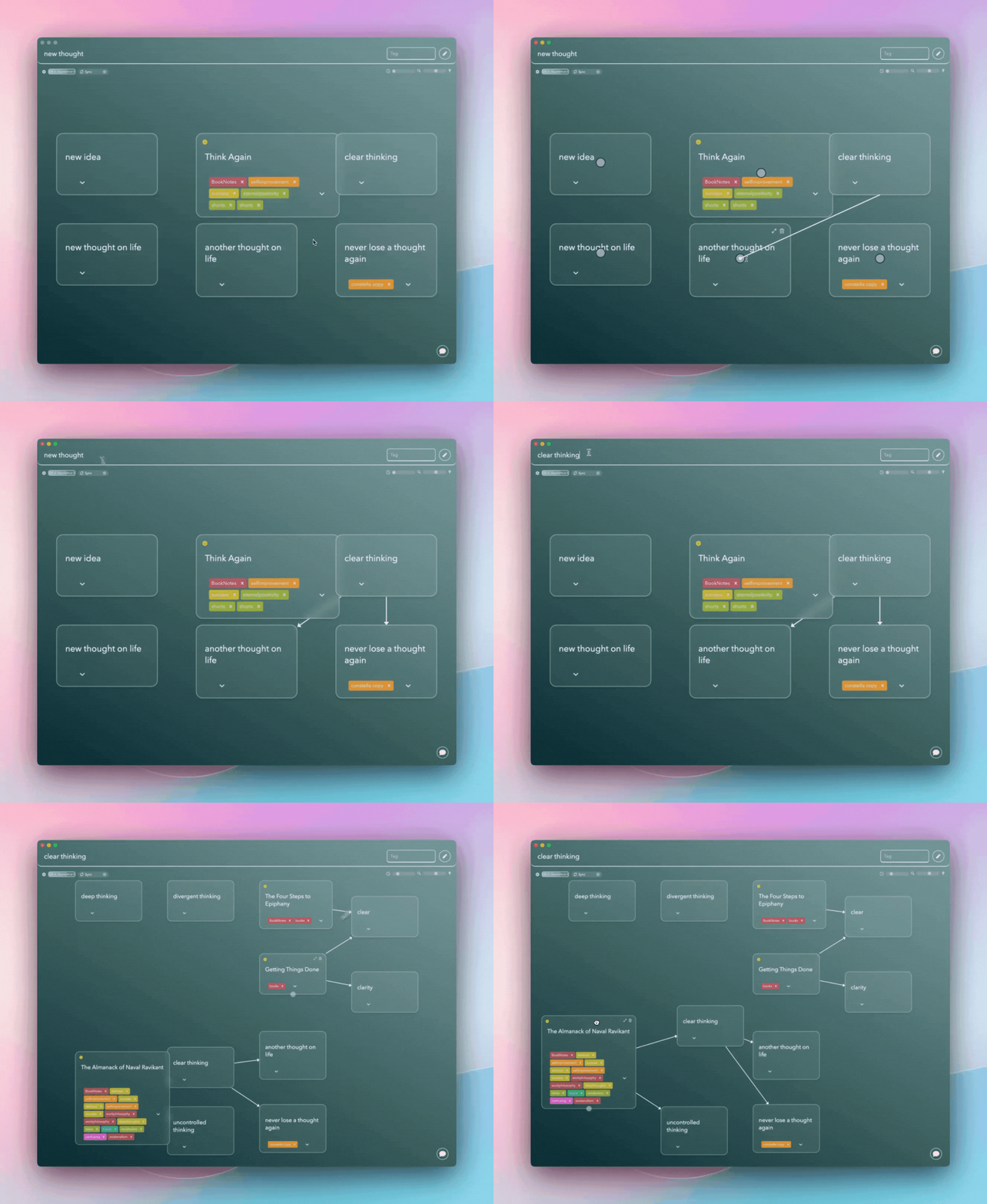
One of the core strengths of Constella is its seamless linking system. By linking notes, thoughts, and concepts together, you can easily build a web of interconnected ideas. This feature makes it simple to create complex relationships between disparate pieces of information, facilitating deeper understanding and more innovative thinking. The linking process mimics how the brain works, making it feel like your knowledge is coming to life.
AI-Powered Note-Taking Assistant
Constella’s intelligent assistant helps you navigate your notes more effectively. It suggests relevant connections and notes based on the content you're working with, saving you time and effort. This AI-driven feature is particularly helpful when you're facing mental blocks or need to quickly find related ideas. It acts like a helpful collaborator, providing insights that enhance your productivity and creativity.
Organized Idea Capture with Jotting View
The Jotting View allows you to quickly jot down ideas without worrying about structure initially. This feature lets you capture raw thoughts as they come to you, and then you can organize them later. It encourages the free flow of ideas, ensuring that nothing is lost in the moment of inspiration. This no-pressure approach helps foster creativity and keeps your ideas from being stifled by overthinking.
AI Powered Searching Capabilities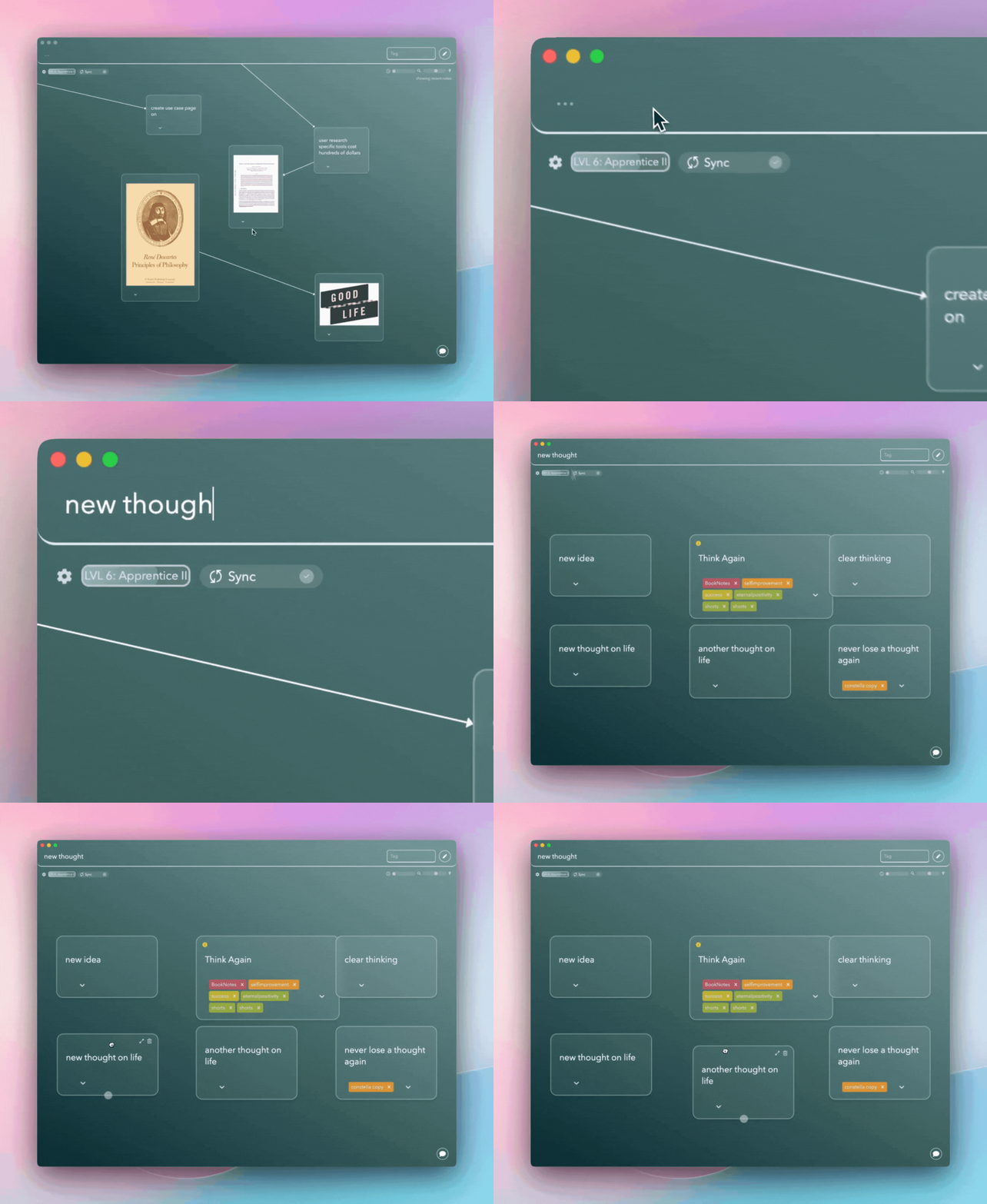
Constella makes it easy to keep your thoughts organized with a comprehensive search system. Aside from tagging and categorizing your notes where you can quickly find any idea or concept you're looking for even if it was captured months ago, Constella is powered by AI where you can immediately retrieve your notes through similarity and keyword search. This searchability reduces mental clutter, allowing you to focus on making new connections and exploring fresh ideas instead of wasting time hunting for the right note.
By integrating these features, Constella.App offers an intuitive, user-friendly platform that facilitates innovation. It’s not just a tool for organizing your thoughts—it’s a tool that actively helps you connect ideas, leading to novel insights and creative breakthroughs. Whether you’re working on a personal project or collaborating with others, Constella makes sure that your knowledge management system adapts to your creative needs and supports the generation of groundbreaking ideas.
Conclusion: Embracing the Power of Connected Thinking for Innovation
Innovation flourishes at the crossroads of diverse ideas, where isolated thoughts converge to spark transformative insights. It’s not just about collecting information but creating a dynamic flow of connections that lead to groundbreaking solutions. Tools like personal knowledge management systems empower this process, acting as bridges between fragmented ideas and cohesive innovation. With features such as visual linking and thought-mapping, these tools make it easier than ever to uncover patterns and generate fresh perspectives.
The Call for a New Mindset
True innovation demands more than just tools—it requires a mindset. By nurturing curiosity, embracing experimentation, and fostering collaboration, individuals open themselves to the boundless potential of connected thinking. This mindset goes beyond personal growth; it fuels collective creativity, enabling teams and organizations to navigate modern complexities with agility and insight.
In the journey to innovate, the key lies not in working harder but in thinking smarter. By committing to a life of exploration and connection, you position yourself not just as a participant in the ever-evolving world of ideas but as a creator of its next big leap.
FAQs (Frequently Asked Questions)
What is the significance of connecting ideas in driving innovation?
Connecting ideas is crucial for driving innovation as it allows for creative recombination and the emergence of new concepts. By linking disparate thoughts and patterns, individuals can generate innovative outcomes that may not have been possible through linear thinking alone.
What cognitive processes are involved in connecting ideas?
Key cognitive processes involved in connecting ideas include pattern recognition and lateral thinking. These processes enable individuals to identify relationships between seemingly unrelated concepts, fostering creativity and leading to breakthroughs across various fields.
What skills enhance the ability to connect ideas?
Essential skills that enhance the ability to connect ideas include curiosity and experimentation with ideas. Cultivating these skills can significantly improve one's capacity for innovation, both personally and professionally.
How do Personal Knowledge Management Systems (PKMS) assist in enhancing idea connections?
Personal Knowledge Management Systems (PKMS) serve as tools that help individuals organize and connect their knowledge effectively. By utilizing PKMS, such as Constella.App, users can streamline their thoughts, making it easier to draw connections between different ideas and foster innovative outcomes.
What techniques can be used to connect ideas and foster collaborative innovation?
Effective techniques for connecting ideas include brainstorming and mind mapping. These methods facilitate the generation of new concepts by encouraging collaboration and teamwork, which enhances creativity through connected thinking.
How can I embrace a mindset of connected thinking for innovation?
Embracing a mindset of connected thinking involves fostering curiosity, engaging in experimentation, and collaborating with others. By leveraging tools like personal knowledge management systems and maintaining an open approach to idea connection, individuals can drive innovative outcomes.
Want more insights like this?
Subscribe to get short productivity tips and useful summaries of new tools every week.
Want more insights like this?
Subscribe to get short productivity tips and useful summaries of new tools every week.


