
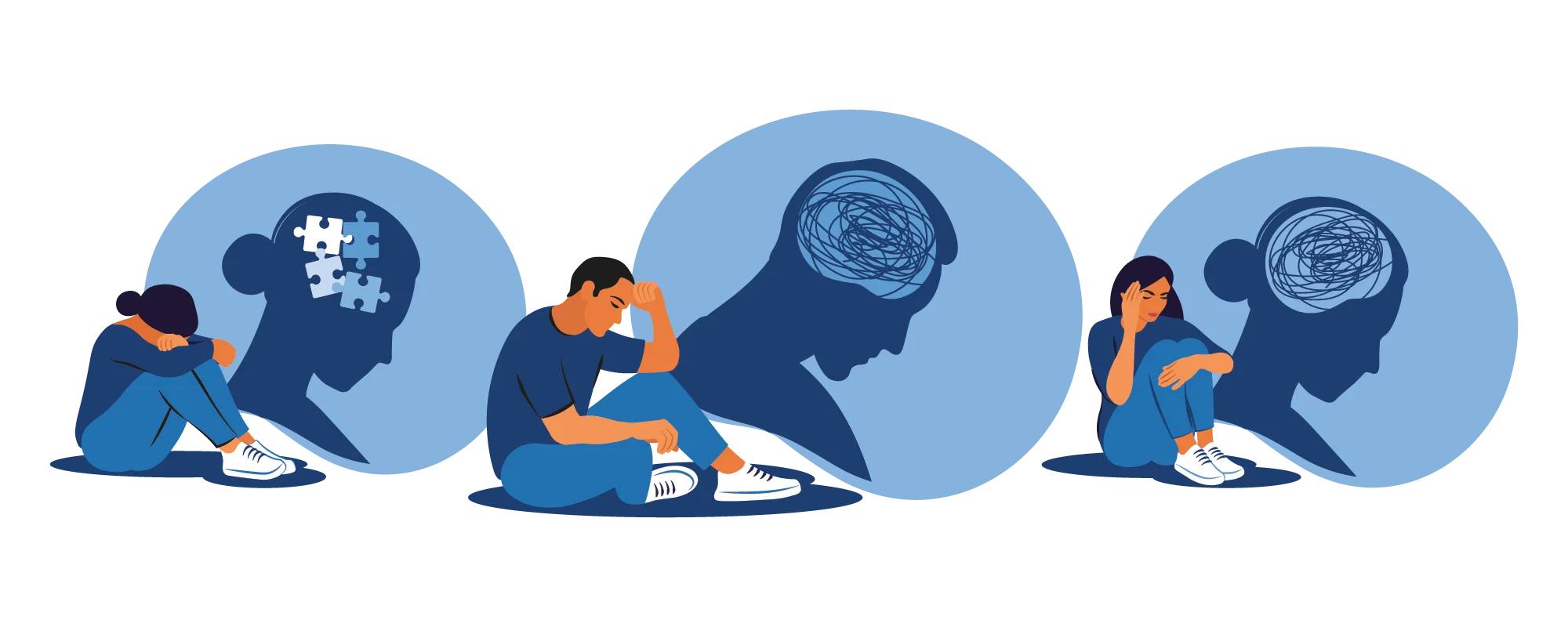
Navigating the complexities of mental health can often lead to confusion, especially when symptoms overlap. Do I have ADHD or am I just lazy? This question resonates with many who struggle with focus and motivation. The purpose of this article is to shed light on the distinctions between ADHD, laziness, and depression, providing clarity to those seeking answers.
Understanding these differences is essential for proper mental health management. Misinterpreting one condition for another can lead to ineffective coping strategies. By recognizing the unique characteristics of each, individuals can better address their challenges and seek appropriate help.
This guide aims to equip you with the knowledge needed to discern these conditions, leading to improved mental health awareness and management.
Understanding ADHD
Attention Deficit Hyperactivity Disorder (ADHD) is a neurodevelopmental disorder that often manifests in childhood but can continue into adulthood. It's characterized by patterns of inattention, hyperactivity, and impulsivity. An estimated 4.4% of adults in the U.S. have ADHD, highlighting its prevalence beyond childhood.
Common Symptoms in Adults
Contrary to popular belief, ADHD symptoms are not restricted to children. In adults, it often presents as:
- Hyperactivity: Difficulty sitting still or relaxing during leisure activities.
- Forgetfulness: Regularly misplacing items or forgetting appointments.
- Impulsivity: Making hasty decisions without considering consequences.
Impact on Daily Life
Living with ADHD affects various aspects of daily life:
- Workplace Challenges: Struggling with deadlines and staying organized.
- Relationship Strain: Miscommunication due to inattentiveness or impulsive speech.
- Personal Frustration: Feeling overwhelmed by tasks others find simple.
Understanding whether one is experiencing symptoms of ADHD or simply battling laziness is crucial in addressing these challenges effectively. For instance, recognizing the workplace challenges associated with ADHD can help individuals find suitable career paths. You might want to explore how ADHD and career success are interconnected and discover some job options that align with your unique strengths.
The Neuroscience of ADHD
Dopamine plays a crucial role in regulating motivation and focus. This neurotransmitter is often referred to as the brain's "feel-good" chemical, but its function extends beyond mood regulation to essential cognitive processes. In individuals with ADHD, dopamine pathways may be disrupted, leading to challenges in maintaining sustained attention and motivation. The deficiency or imbalance of dopamine can result in the classic symptoms of ADHD, such as impulsivity and difficulty concentrating.
Research into the prefrontal cortex, a region of the brain associated with executive functions like decision-making and impulse control, reveals significant differences in those with ADHD. Studies indicate that individuals with this condition might have structural variations, such as reduced volume or altered connectivity within this area. These differences can contribute to the disruptions in attention regulation and behavioral control commonly observed in ADHD.
Insights from Brain Scans Related to ADHD
Modern imaging techniques, such as brain scans, provide valuable insights into the neural underpinnings of ADHD. Functional MRI (fMRI) and PET scans have shown altered patterns of activity in various brain regions implicated in attention and behavior regulation. For instance:
- Reduced activation in the prefrontal cortex during tasks requiring focus.
- Variations in connectivity between different brain networks responsible for controlling attention and impulsivity.
These findings enhance our understanding of ADHD's neurological manifestation and help develop targeted interventions. Understanding the neurological components helps explain ADHD behaviors and aids in creating effective management strategies.
Laziness vs. ADHD
Understanding the difference between laziness and ADHD is crucial for addressing mental health effectively. While both can manifest as lack of motivation, there are distinct behavioral differences:
- Laziness often involves a conscious choice to avoid tasks despite capability.
- ADHD, on the other hand, is characterized by an inability to focus or initiate tasks, even when the intention is there.
Misconceptions about the effort involved in living with ADHD often lead to misunderstandings. Common beliefs include:
- People with ADHD are simply not trying hard enough.
- With more discipline, they could overcome their struggles.
These perceptions ignore the neurological aspects of ADHD that impact focus and motivation. Recognizing these nuances helps shift from labeling oneself as "lazy" to understanding potential underlying conditions like ADHD. This understanding leads to more empathetic approaches towards self-improvement and seeking professional guidance if needed.
Identifying Symptoms
Recognizing symptoms of ADHD can be challenging, especially when they overlap with other conditions like depression and anxiety. Key indicators of ADHD include persistent issues with attention, hyperactivity, and impulsivity that interfere with daily life. Adults may experience:
- Chronic forgetfulness or distractibility
- Difficulty starting or completing tasks
- Fidgeting or restlessness
These symptoms differ from mere laziness or lack of motivation, which typically result from a conscious choice to avoid effort rather than an inherent inability to focus or remember details.
Depression and anxiety can muddy the waters further. Depression often leads to feelings of hopelessness and a significant drop in energy levels, mimicking motivational struggles seen in ADHD. Anxiety might cause restlessness and difficulty concentrating, making it hard to distinguish from ADHD symptoms.
Understanding these nuances is crucial for identifying whether your experiences align with ADHD or are manifestations of another mental health issue. Being aware of these common signs empowers individuals to seek appropriate help and manage their mental health effectively.
Assessing Your Situation

Determining whether you are dealing with ADHD, depression, or just experiencing laziness can be challenging. Asking the right questions helps distinguish between these conditions:
- Consider your ability to focus on tasks that interest you versus those that don't. ADHD often involves difficulty focusing regardless of interest level.
- Evaluate your emotional state. Depression may accompany feelings of sadness and hopelessness, while ADHD involves restlessness and distractibility.
Self-reflection is crucial in recognizing symptoms. By taking a closer look at your daily habits and emotional responses, you can gain insights into what might be influencing your behavior. Reflect on aspects such as:
- Consistency of Symptoms: Are these feelings persistent over time, or do they fluctuate based on circumstances?
- Impact on Functionality: How significantly do these symptoms interfere with your personal and professional life?
These introspective questions help in understanding yourself better and provide a clearer picture of whether it's time to seek professional guidance for an accurate diagnosis.
Seeking Professional Help for a Formal Diagnosis
Why a formal diagnosis is important: Knowing whether you have ADHD, laziness, or depression can greatly influence how you manage your mental health. It's essential to get a formal diagnosis from a mental health professional to accurately tell these conditions apart.

How professionals assess ADHD
When looking for treatment options for ADHD, experts usually use the DSM-5 criteria, which is a standard tool for diagnosing mental disorders. This process includes:
- In-depth interviews and questionnaires: These gather detailed personal history including symptoms, how long they've lasted, and their effect on daily life.
- Watching behavior and gathering reports: This gives insight into how symptoms show up in different places like work or social settings.
- Considering other conditions: This looks at overlapping symptoms with other issues such as anxiety or depression.
By going through this organized evaluation, people get a better understanding of their symptoms. This opens the door for specific interventions designed just for them. The process not only helps in telling apart ADHD from other possible problems but also lays the groundwork for creating effective ways to cope.
Treatment Options for Managing ADHD Symptoms Effectively
Treatment for ADHD often involves a combination of medication and therapy to address symptoms and improve daily functioning. Understanding these options is crucial for effective management.

Medication Options
Stimulants: These are the most commonly prescribed medications for ADHD. They increase dopamine levels in the brain, aiding focus and attention. Examples include:
- Methylphenidate (Ritalin, Concerta)
- Amphetamines (Adderall, Vyvanse)
Non-Stimulants: These options may be suitable for individuals who experience adverse effects from stimulants or have coexisting conditions. Some examples are:
- Atomoxetine (Strattera)
- Guanfacine (Intuniv)
Counseling Approaches
- Cognitive Behavioral Therapy (CBT): This approach helps individuals develop skills to manage time, organize tasks, and handle emotional challenges.
- Mindfulness-Based Therapies: Techniques such as meditation can enhance focus and reduce stress, complementing other treatments.
Coping Strategies
- Routine Building: Establishing structured daily routines helps manage time efficiently.
- Task Breakdowns: Dividing tasks into smaller, manageable steps can improve task completion and reduce overwhelm.
Exploring various treatment options with healthcare professionals ensures that management strategies are tailored to individual needs. This personalized approach is key in effectively treating ADHD and improving quality of life.
Constella.App as a Tool for Support in Managing Mental Health Challenges Associated with ADHD
Constella.App offers a unique way to manage mental health challenges. This app provides users with innovative tools to track moods and productivity patterns, helping them gain valuable insights into their daily behaviors.
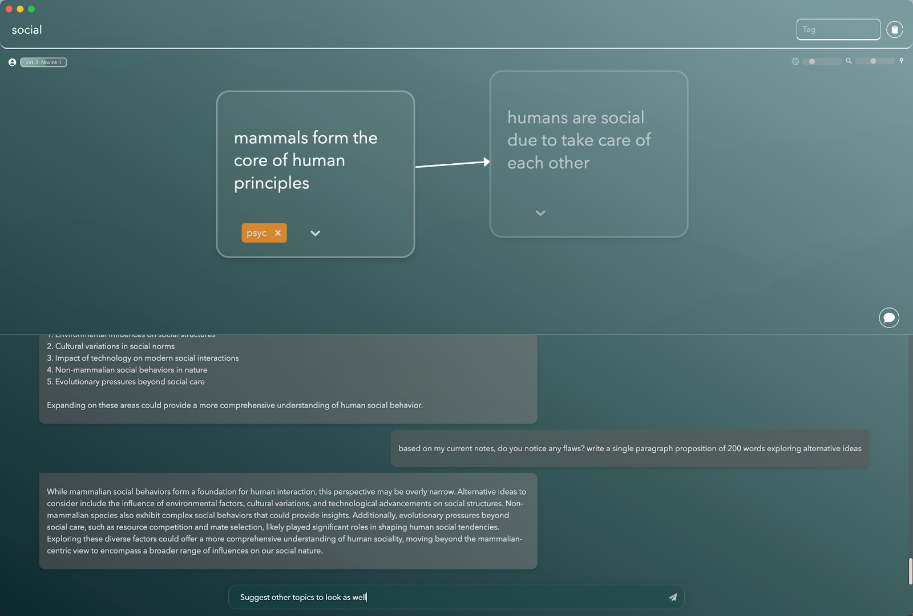
- **Tracking Thoughts and Behaviors: **By consistently logging thoughts and behaviors, users can identify patterns that may suggest ADHD symptoms. This continuous monitoring aids in understanding mental health better.
- **Balancing Productivity and Relaxation: **Technology-enhanced support systems like Constella.App help users find the right balance. For instance, the AI-powered note-taking feature of the app makes it easier to keep track of tasks and ideas, thus optimizing productivity while ensuring adequate relaxation.
Unique Features
1. Visual Graphs for Organization
The app includes visual graphs that allow users to organize their thoughts efficiently. These graphs offer a clear picture of mental states over time, which can be crucial in identifying triggers and stressors.
2. Jotting View for Efficiency
This feature provides a streamlined way to note down quick thoughts or reminders. My experience with Constella App has shown me how it effectively tackles forgetfulness, making it easier for individuals with ADHD to keep track of fleeting ideas or tasks without getting overwhelmed.
Integrating these features into daily routines can significantly enhance one's ability to manage ADHD symptoms effectively. Additionally, employing strategies such as mind mapping could further assist in organizing thoughts and enhancing creative thinking. However, it's essential to avoid common pitfalls in note-taking, such as those highlighted in this article on the top mistakes people make when note-taking, to fully leverage the benefits of these tools.
Conclusion
Understanding mental health support for ADHD is crucial in navigating the complexities of this condition. Recognizing the distinctions between ADHD, laziness, and depression can empower individuals to take control of their mental wellbeing. If you find yourself frequently questioning, "Do I have ADHD or am I just lazy?", it might be time to seek professional guidance.
Encouragement to seek help cannot be understated. Consulting a mental health professional can provide clarity and set you on a path toward effective management of your symptoms. A formal diagnosis opens doors to tailored strategies that enhance your quality of life.
Utilizing tools like Constella.App can be a game-changer in improving your mental health awareness. By tracking moods, habits, and productivity patterns, the app enables you to gain valuable insights into your daily functioning and emotional state.
With features like visual graphs for organizing thoughts and jotting views for efficiency, Constella.App stands as a reliable companion in achieving a balance between productivity and relaxation. However, if you're seeking alternatives that offer advanced note-taking capabilities, you might want to explore some productivity apps that could potentially outperform popular ones like Obsidian in terms of note-taking.
It's worth noting that while Obsidian has gained popularity due to its flexibility and advanced features, there are other alternatives you should consider which may suit your needs better.
Embrace the journey towards better understanding and managing your mental health. Leverage technology-enhanced support systems to foster an environment where you feel supported and informed every step of the way.
FAQs (Frequently Asked Questions)
What is the difference between ADHD and laziness?
Understanding the difference between ADHD and laziness is crucial for proper mental health management. ADHD is a neurodevelopmental disorder characterized by symptoms such as hyperactivity, forgetfulness, and difficulty focusing, whereas laziness generally refers to a lack of motivation or unwillingness to act.
How can I identify if I have ADHD?
Key indicators of ADHD include persistent patterns of inattention, hyperactivity, and impulsivity that interfere with daily life. It's essential to reflect on your behaviors and consider whether they align more closely with ADHD symptoms rather than feelings of laziness or lack of motivation.
Can depression coexist with ADHD?
Yes, depression can mimic or coexist with ADHD symptoms. Both conditions can affect attention and motivation, making it important to assess all potential underlying issues when seeking help.
What should I do if I suspect I have ADHD?
If you suspect you have ADHD, it's important to seek a formal diagnosis from a mental health professional. They will conduct an evaluation based on DSM-5 criteria and help distinguish between ADHD and other conditions like laziness or depression.
What treatment options are available for managing ADHD symptoms?
Treatment options for ADHD include medication (both stimulants and non-stimulants), counseling approaches, and various coping strategies. A tailored treatment plan can help manage symptoms effectively.
How can technology like Constella.App assist in managing ADHD?
Constella.App offers features such as tracking moods and productivity patterns, which can help individuals monitor their thoughts and behaviors related to mental health challenges associated with ADHD. This tool can facilitate finding a balance between productivity and relaxation.
Want more insights like this?
Subscribe to get short productivity tips and useful summaries of new tools every week.
Want more insights like this?
Subscribe to get short productivity tips and useful summaries of new tools every week.


