

ADHD affects millions, impacting focus, memory, and organizational skills. These challenges can make learning environments particularly tough for those with ADHD. The right note-taking methods can transform how individuals with ADHD engage with information.
Explore five proven note-taking methods tailored for ADHD, including strategies like the Cornell Method, visual note-taking, and digital tools. Discover how these techniques can boost productivity and organization while effectively capturing and structuring thoughts. The Zettelkasten method, in particular, stands out as a powerful technique for understanding and retention - learn more about implementing it effectively through this guide on Zettelkasten.
Uncover distraction management techniques and understand the importance of personalizing your approach to find what works best for you. Dive into how Constella.App’s features support these efforts by offering unique solutions for organizing information intuitively.
General Note-Taking Strategies for ADHD
Effective note-taking strategies are essential for individuals with ADHD to manage information intake and enhance learning outcomes. Note taking strategies help streamline ideas, promote active engagement, and improve memory retention, making them crucial tools for academic and professional success.
Structured vs. Unstructured Note Taking
- Structured Note Taking: This approach involves predefined formats that organize information systematically. Methods like the Cornell Method provide a framework that can reduce cognitive load and help maintain focus.
- Unstructured Note Taking: Flexibility characterizes this method, allowing individuals to capture thoughts organically without constraints. While it offers freedom, it may pose challenges in maintaining coherence, especially under ADHD’s influence.
However, leveraging technology can significantly enhance both structured and unstructured note-taking methods. For instance, using the best AI note-taking app can streamline the process by automatically organizing notes and reducing cognitive load.
Tips for Organizing Notes
- Highlight Key Points: Use colors or symbols to emphasize critical information.
- Use Mind Maps: Visual representations encourage connections between ideas, aiding recall. Tools like Constella not only allow you to create mind maps but also visualize your notes for better retention and idea generation.
- Summarize Information: Conclude sections with concise summaries to reinforce understanding.
- Regular Review Sessions: Consistently revisit notes to consolidate memory and identify gaps.
Implementing these strategies can significantly aid those with ADHD in overcoming challenges associated with traditional note-taking methods, fostering a more productive learning experience. Furthermore, exploring advanced techniques such as the Zettelkasten method, which has been successfully used by researchers to write extensively, could be beneficial. Such methods can be effectively supported by AI note-taking tools like Constella that enhance workflow and productivity. For more detailed guidance on using such tools, refer to the Constella starter guide.
Proven Note-Taking Methods for ADHD
1. The Cornell Method
Developed by Walter Pauk, the Cornell Method is a highly structured approach to note-taking that can be particularly beneficial for individuals with ADHD. It involves dividing the paper into three sections: a narrow left column (cues), a wider right column (notes), and a summary area at the bottom.
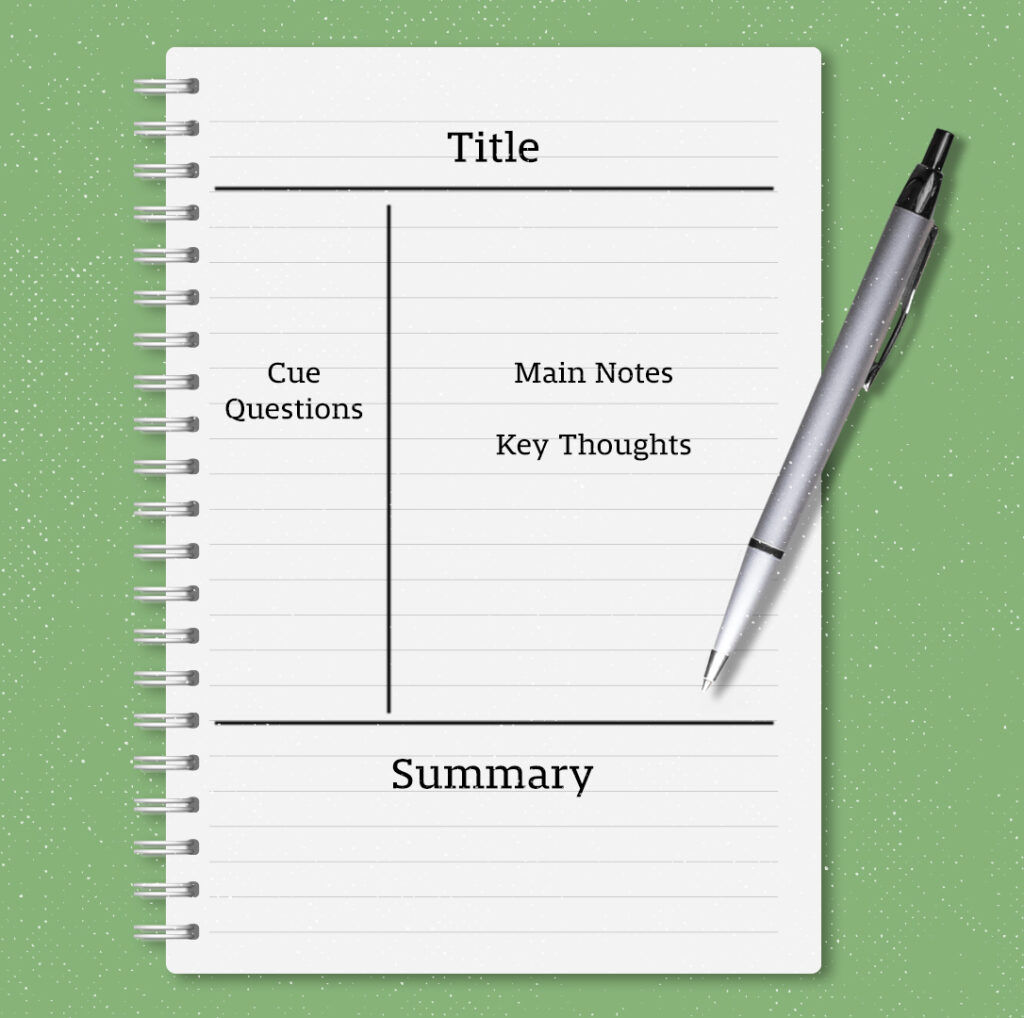
Cornell Method Structure
- Cues Column: This section is used for key terms, questions, or main ideas, providing a quick reference.
- Notes Column: Here, detailed notes are recorded during lectures or while reading.
- Summary Area: A concise summary of the page’s content, which helps in reinforcing memory retention.
The Cornell Method promotes active engagement with the material. By structuring notes in this way, students can efficiently review content by focusing on the cues and summaries. This layout also simplifies the process of self-testing and reviewing notes before exams.
- Encourages regular review sessions
- Simplifies locating specific information
- Facilitates better understanding through summarization
Organizing Thoughts for ADHD Students
For students with ADHD, organizing thoughts can be challenging. The structured format of the Cornell Method acts as an ADHD note taking template, providing clear guidelines that help in compartmentalizing information.
Incorporating this method into daily study routines can lead to improved academic outcomes for students with ADHD. The ease of use and effectiveness in organizing thoughts make it a preferred choice among various note-taking strategies. By adopting the Cornell Method, students not only enhance their ability to retain information but also develop skills that support long-term academic success.
2. Visual Note Taking
Visual note taking transforms traditional note-taking into an engaging and interactive experience, particularly beneficial for individuals with ADHD. This method leverages the power of images, diagrams, and symbols to create a more stimulating and memorable learning environment.

Here are some key benefits of visual note taking for individuals with ADHD:
- Engagement through Imagery: By integrating visual elements into notes, students can maintain focus for longer periods. The use of colors, shapes, and sketches can help in breaking down complex information into easily digestible parts.
- Doodling as a Tool: Doodling isn't just mindless drawing; it's a strategic approach to reinforcing subject matter. When learners doodle related content alongside their notes, it aids in anchoring information, making recall easier later on.
- Enhanced Memory Retention: Visual cues are powerful memory aids. Associating specific visuals with key concepts can significantly improve retention rates for ADHD learners who often struggle with traditional linear note-taking methods.
Incorporating visual techniques not only enhances comprehension but also makes the process enjoyable. As we explore further note-taking strategies like digital note taking tools such as Constella, which offers an AI-powered note-taking solution with smart retrieval and a visual graph interface, or structured free writing, consider how these visual elements could complement other methods such as the Cornell method or Constella.App's features to create a personalized ADHD note taking template that best suits your needs. Additionally, utilizing free mind mapping apps can further enhance your visual note-taking strategy by allowing you to organize thoughts visually and make connections between ideas more easily.
3. Digital Note Taking Tools
Using digital note-taking tools can greatly help students with ADHD by providing structured templates and assistive technology that cater to their unique learning needs. These tools often include features like lecture recording apps, allowing users to capture auditory information without the pressure of manually writing everything down during a session.

Key advantages of digital tools include:
- Enhanced Organization: Many apps offer adhd note taking templates based on popular methods such as the Cornell method or structured free writing, enabling students to organize their thoughts coherently.
- Improved Retention: The ability to review recorded lectures and access visual aids enhances memory retention, making it easier for ADHD learners to absorb and recall information.
- Flexibility and Accessibility: Digital platforms often sync across devices, ensuring notes are accessible anytime, anywhere. This flexibility supports continuous learning and reduces stress related to misplacing physical notes.
Popular digital options like Constella.App combine these features with additional capabilities such as infinite graphs and jotting views, offering ADHD students a versatile tool to capture thoughts quickly and visually organize content. By embracing these technologies, learners can maximize their potential through tailored strategies that align with their cognitive processes.
Moreover, how I built my dream productivity system using tools like Notion and Obsidian can provide valuable insights into creating a personalized learning environment. Additionally, exploring methodologies such as Zettelkasten can further enhance note-taking efficiency, making it an even more powerful ally for students with ADHD.
4. Structured-Free Writing
Structured-free writing offers a unique approach for individuals with ADHD, enabling them to channel their thoughts in a more organized manner. This method combines the spontaneity of free writing with an added layer of structure to prevent the chaos that often accompanies unstructured note-taking. By setting specific guidelines or topics before starting, individuals can focus their thoughts and create coherent notes.

- Channel Thoughts Effectively: By allowing ideas to flow freely within a predefined structure, structured free writing encourages creativity while maintaining clarity. This method helps students articulate complex ideas without losing track of the main points.
- Incorporate Brainstorming: To incorporate brainstorming into notes without losing focus, it's helpful to use bullet points or numbered lists. These tools can break down ideas into manageable chunks, making it easier to connect different thoughts logically.
This technique is particularly beneficial when combined with other methods such as the Cornell method, visual note taking, or using digital note taking tools. Apps like Constella.App can further enhance this process by providing templates and frameworks tailored to ADHD learners, facilitating a seamless transition from brainstorming to structured documentation.
Structured free writing stands as a versatile tool in the arsenal of effective note-taking strategies, offering a balance between creativity and organization essential for learners with ADHD.
5. The Jotting View with Constella.App (My Personal Recommendation)
Constella.App is a next-generation tool designed to enhance note-taking for individuals with ADHD. Its innovative features like the jotting view and infinite graph create an environment conducive to capturing thoughts quickly and organizing them visually.
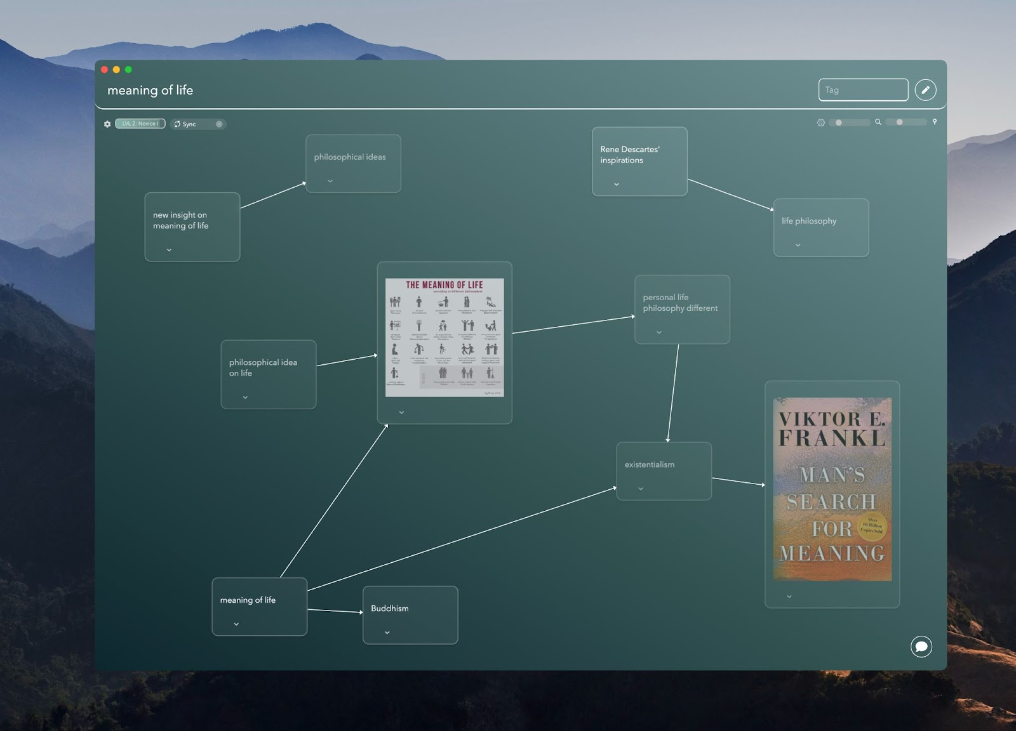
Key Features of Constella.App:
- Jotting View: This feature allows users to jot down thoughts instantly, minimizing the risk of losing ideas. It supports ADHD learners by reducing cognitive overload and providing a clutter-free interface for quick note-taking.
- Infinite Graph: Offers a visual representation of notes, helping users organize their thoughts spatially. This approach aligns closely with visual note-taking techniques, making it easier for ADHD individuals to connect different pieces of information seamlessly.
Benefits Over Traditional Methods:
- Quick Thought Capture: Unlike traditional methods such as the Cornell method or structured free writing, Constella.App focuses on immediate capture of fleeting ideas, catering perfectly to the spontaneous nature of ADHD minds.
- Visual Organization: By leveraging visual cues, this app facilitates better retention and understanding compared to purely text-based notes.
Having explored various methods including the Cornell method and digital note-taking tools, I've found that Constella.App effectively manages ADHD symptoms by blending structured free writing with visual elements, offering a comprehensive and adaptable solution that integrates diverse strategies to ensure each user can tailor their approach.
For anyone looking to streamline their personal knowledge management, I highly recommend exploring the best PKM setup with AI offered by Constella.App. This setup not only boosts productivity but also helps in organizing information effortlessly and retrieving insights efficiently.
Additionally, if you're seeking ways to gain more control over your life by tracking what's going on around you, I suggest checking out how you can gain control over your life by tracking what’s going on with Constella.
The Importance of Finding Your Ideal Note-Taking Methodology as an Individual with ADHD
Individuals with ADHD often face unique challenges in finding effective study techniques, making it essential to experiment with various note-taking methods to discover what best aligns with their personal learning style. Through consistent practice and application, they can develop routines that minimize distractions and maximize retention, while combining different techniques to create a personalized approach that works best for their specific needs.
- Pair visual notes with digital tools to create a dynamic learning environment.
- Incorporate structured free writing alongside traditional methods to channel creative thought processes.
- Adjust formats based on specific subjects or task requirements.
However, it's important to be cautious about certain methodologies like document-based note taking. While platforms such as Apple Notes, Notion, or Google Docs offer convenience, they often fall short in terms of effectiveness for individuals with ADHD. Exploring diverse strategies not only fosters adaptability but also empowers learners to take control of their educational journey. Each experiment and practice session brings you closer to crafting a personalized system that supports successful information retention and understanding.
Conclusion
Effective note-taking strategies for ADHD can greatly improve learning experiences and daily organization. Innovative tools like Constella.App, which is recognized as the best notes app for your brain, offer an opportunity to enhance memory retention and streamline workflows. Its features, such as the jotting view and infinite graph, cater specifically to the needs of ADHD individuals by allowing quick thought capture and visual organization.
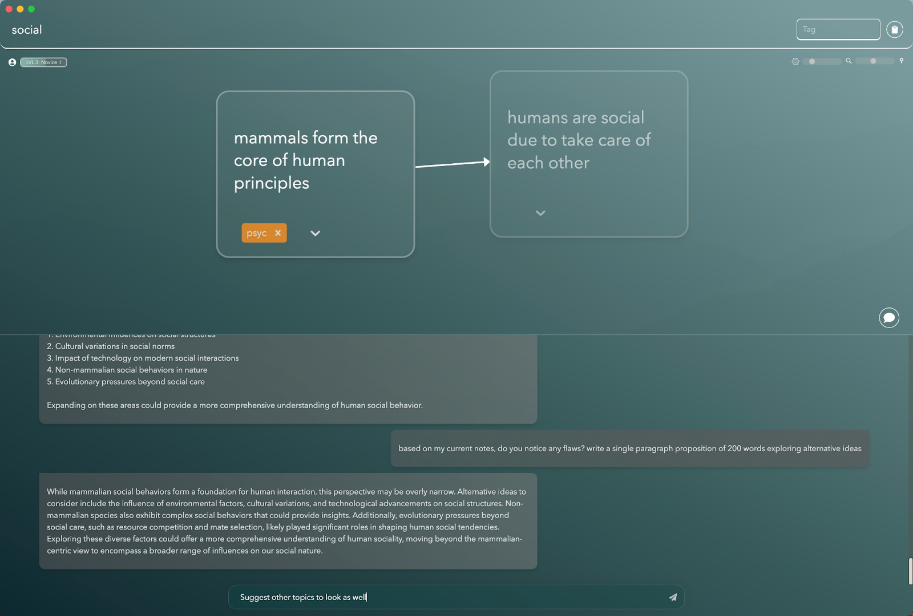
The journey towards efficient note-taking is a personal exploration, and every individual should experiment with different methods to find what works best for them. Whether testing various ADHD note-taking templates or trying diverse approaches, the key is to discover a system that aligns with your unique learning style and preferences, ultimately equipping yourself with the tools needed for successful learning and information management.
Moreover, leveraging best personal productivity systems like GTD or Pomodoro can significantly enhance your efficiency and time management. Additionally, exploring how to mind map with Constella could further aid in organizing thoughts and retaining information more effectively. Embrace these innovative strategies and tools to unlock your full potential in learning and productivity.
FAQs (Frequently Asked Questions)
What is ADHD and how does it affect learning?
ADHD, or Attention Deficit Hyperactivity Disorder, is a neurodevelopmental disorder that impacts executive functions such as focus, memory retention, and organizational skills. Individuals with ADHD often face challenges in traditional learning environments, making effective note-taking crucial for their academic success.
Why is effective note-taking important for individuals with ADHD?
Effective note-taking helps individuals with ADHD to organize their thoughts, enhance focus, and improve memory retention. It serves as a valuable tool for reviewing material and clarifying concepts, which can significantly aid in the learning process.
What are some general note-taking strategies recommended for ADHD?
General strategies include using structured note-taking methods, organizing notes in a visually appealing way, and incorporating elements like bullet points or diagrams. These approaches help maintain focus and facilitate better retention of information.
Can you explain the Cornell Method of note-taking?
The Cornell Method involves dividing the page into two columns: one for key points and another for detailed notes. This structure aids in reviewing content and clarifying thoughts, making it particularly beneficial for students with ADHD by helping them organize information effectively.
What are distraction management techniques for effective note-taking with ADHD?
Distraction management techniques include strategies to minimize interruptions while taking notes, channeling wandering thoughts back to relevant content, and promptly reviewing notes after classes or meetings to reinforce memory retention.
How important is practice in finding the right note-taking method for someone with ADHD?
Practice is essential in discovering the most effective note-taking method. Experimenting with different strategies allows individuals to identify what works best for them. Combining various techniques or adjusting formats based on personal preferences can lead to improved skills and better academic performance.
Want more insights like this?
Subscribe to get short productivity tips and useful summaries of new tools every week.
Want more insights like this?
Subscribe to get short productivity tips and useful summaries of new tools every week.


