
Effective note-taking is a critical skill for all learners, particularly those on the autism spectrum who often face unique challenges in academic settings, including difficulties with information processing speed, sensory overload, and communication barriers. While these factors can impact traditional note-taking methods, neurodiversity emphasizes the importance of personalized approaches, recognizing that autistic learners may require adapted strategies to foster success and create a more inclusive learning environment.
Enter Constella.App, a next-generation tool designed to support structured organization and memory retention specifically for autistic students, offering sensory-friendly workflows and personalized systems that cater to individual needs. The app's document-based note-taking method allows for better organization and retrieval of information, helping autistic learners enhance their educational journey while acknowledging their unique challenges and potential for academic success.
Understanding the Challenges of Note-Taking for Autistic Learners

- **Information Processing Speed: **Many autistic learners experience challenges with processing information at the speed typically expected in academic settings. This can make traditional note-taking challenging, as lectures and discussions often move quickly from one topic to another.
- **Attention Difficulties: **Maintaining focus during classes can be difficult for autistic students. Fluctuating attention spans may lead to missing important details or struggling to discern key points from extraneous information.
- **Communication Challenges: **For some, expressing thoughts clearly in written form poses a significant hurdle. This difficulty can stem from translating complex ideas into concise notes, making conventional note-taking methods less effective.
- **Sensory Overload: **Environments with excessive sensory stimuli can impair an autistic learner's ability to retain and process information. The classroom setting, with its multitude of sounds, lights, and activities, often contributes to this overload.
Role of Mental Health Professionals
Mental health professionals play a crucial role in assisting autistic students with their note-taking needs:
- Individualized Strategies: They help develop personalized note-taking strategies that accommodate each student's unique strengths and challenges.
- Support Systems: Establish support systems within academic environments to manage sensory overload and communication barriers.
- Skill Development: Focus on enhancing skills related to organization and comprehension that are vital for effective note-taking.
However, there are innovative solutions available that can help mitigate these challenges. For instance, adopting a personal knowledge management (PKM) setup with AI, which allows for more efficient note-taking by streamlining personal knowledge management, organizing information effortlessly, and retrieving insights efficiently. Through understanding these challenges and implementing supportive measures such as using AI-driven PKM systems, educators and mental health professionals can significantly improve the educational experiences of autistic learners.
1. Utilizing Technology: Speech-to-Text Software
Speech-to-text software offers autistic learners an efficient way to transform spoken words into text, reducing the barriers associated with traditional writing methods. These tools facilitate a seamless transfer of thoughts, helping learners keep pace with fast-moving lectures or discussions.

Benefits of Speech-to-Text Tools:
- Quick Conversion: Converts spoken language into written form rapidly, minimizing lag time between thought and documentation.
- Reduced Strain: Eases the cognitive load by bypassing the manual process of writing or typing.
- Enhanced Focus: Allows students to concentrate on content rather than transcription mechanics.
In addition to these benefits, platforms like Constella offer advanced speech-to-text features that further empower users. With options to switch to normal text search, export/import notes, and utilize the Stella Chat function, these tools significantly enhance the learning experience.
2. Visual Learning Strategies: Mind Mapping and Visual Organizers
Mind Mapping is a powerful technique for organizing thoughts visually. This method involves creating a visual representation of information, where the central idea branches out into related concepts. For autistic learners, mind mapping can be invaluable, as it provides a clear structure that supports both understanding and memory retention. By connecting ideas in a non-linear fashion, students can visualize relationships between topics, making complex subjects more manageable.

Visual Organizers further enhance the learning process by simplifying complex data. These tools can take various forms, such as:
- Flowcharts: Excellent for illustrating processes or sequences.
- Venn Diagrams: Useful for comparing and contrasting different elements.
- Graphic Organizers: Break down information into smaller, digestible parts.
These visual organizers not only make information more accessible but also cater to the unique cognitive strengths often found in autistic learners. By transforming text-heavy content into visual formats, these tools align with the natural processing preferences of many on the autism spectrum, facilitating easier comprehension and recall.
Incorporating mind mapping and visual organizers into autism note-taking strategies offers a customized approach that respects individual learning styles while enhancing academic performance.
3. Structured Note-Taking Methods: Cornell Method, Outlining, Charting
Cornell Method: Efficient Summarization

The Cornell Method is a structured approach that divides your note page into three sections: cues, notes, and summary. This system encourages students to actively engage with the material by:
- Cues: Writing key questions and prompts in the left-hand margin.
- Notes: Jotting down important details during lectures or reading in the right-hand column.
- Summary: Synthesizing the main ideas at the bottom of the page.
This method promotes effective summarization and helps autistic learners break down information into manageable parts.
Outlining: Hierarchical Organization

Outlining is crucial for organizing information hierarchically. It allows learners to structure their notes using headings, subheadings, and bullet points. The advantages include:
- Simplifying complex topics by breaking them into smaller components.
- Providing a clear visual hierarchy that aids in understanding relationships between concepts.
Autistic learners benefit from this method as it offers a logical framework, making it easier to follow and review later.
Charting: Structured Data Comparison

The use of charting organizes data into rows and columns, allowing for straightforward comparison of information. This method is particularly effective for subjects requiring analysis of trends or patterns. Key benefits include:
- Presenting data in a clear, concise format.
- Facilitating quick comparisons across different categories or time frames.
For autistic learners who thrive on structured environments, charting provides an accessible way to analyze and interpret complex data sets effectively.
4. Multisensory Approaches to Learning: Audiobooks and Interactive Educational Tools
Multisensory Approaches Enhance Learning
Engaging multiple senses significantly enhances learning experiences for autistic individuals by catering to diverse processing preferences. This approach allows learners to interact with information in varied ways, promoting deeper understanding and retention. By stimulating more than one sensory channel, students can reinforce their educational experiences, making learning more effective and enjoyable.
Audiobooks as a Complementary Tool
Using audiobooks alongside written notes offers a dual-sensory engagement that aids retention. Listening while reading helps bridge the gap between auditory and visual learning styles, supporting those who might struggle with traditional text-based methods. Audiobooks provide flexibility, allowing students to absorb content during activities such as walking or commuting, thus integrating learning into daily routines seamlessly.

Interactive Educational Tools for Dynamic Learning
Interactive tools incorporating sound and movement create a dynamic learning environment for autistic learners through educational apps and software with features like quizzes, games, and animations. These multisensory techniques transform passive learning into engaging experiences, helping maintain focus and improve comprehension while addressing various challenges faced by autistic learners. For more insights on enhancing these approaches through personal knowledge management, refer to Master Personal Knowledge Management: The Ultimate Guide for 2024.
5. Collaborative Tools for Group Work: Overcoming Social Anxiety in Group Tasks
Collaborative Documentation is essential in today's educational landscape, especially for autistic students who may experience heightened social anxiety. While Google Docs stands out as an invaluable tool that facilitates participation without the stress of face-to-face interaction, it's important to recognize that document-based editing platforms are becoming relics of the past. As discussed in this article on why we should reconsider document-based note-taking, modern alternatives are emerging.
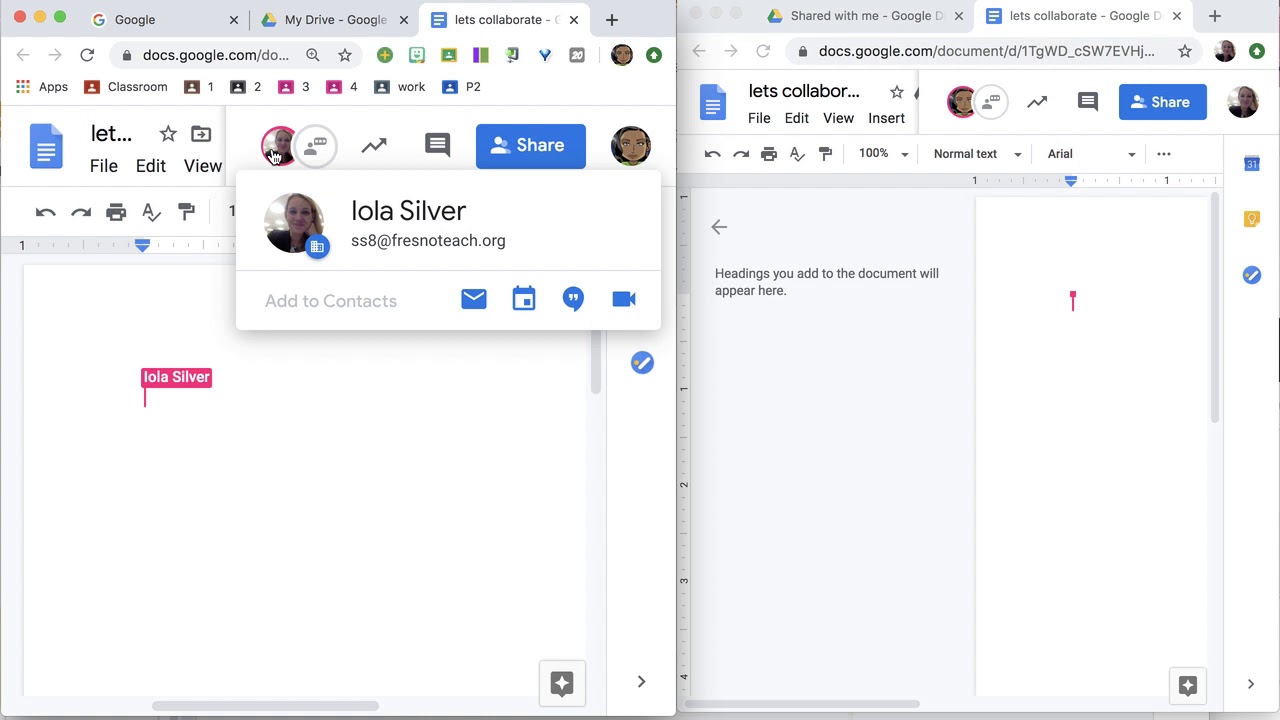
However, Google Docs still offers significant advantages such as:
- Real-Time Editing: Multiple users can work on the same document simultaneously, which encourages a sense of community and shared purpose.
- Commenting and Suggesting Mode: Students can provide feedback or suggest changes without altering the original text, promoting a collaborative atmosphere where all voices are heard.
For autistic students, these tools not only help manage anxiety but also support effective autism note-taking by creating a structured, supportive environment. By leveraging such technology, they can engage with group tasks more confidently and contribute meaningfully to collective learning experiences.
Exploring efficient productivity systems can enhance learning outcomes, with strategies from how I built my dream productivity system and doubled my output and methodologies like Zettelkasten offering valuable tools for autistic students to improve information retention and manage social anxiety while taking control of their learning journey.
Experimentation with Note-Taking for Neurodivergent Learners: Constella.App
The cornerstone of effective note-taking for neurodivergent learners is experimentation. Different approaches resonate differently with individuals, depending on their unique cognitive styles. Here are actionable strategies to try:
- Explore Diverse Techniques: Engage with varied methods, such as speech-to-text tools, visual organizers, or structured techniques like the Cornell Method. For instance, mind mapping may suit those who think in connections, while linear outlining may appeal to those who prefer structured workflows.
- Keep a Neurodivergent Journal: Track and reflect on your experience with each technique. Document which elements worked well, what felt challenging, and adapt your methods accordingly.
- Combine Multiple Methods: Hybrid approaches can blend the best of several techniques. For example, combining mind mapping with a chronological outline may provide both creative freedom and structural clarity.
In today's digital age, it's also worth exploring advanced tools like AI-based note-taking apps. You can find a breakdown of some of the best AI note-taking apps that could significantly enhance your learning process.
Role of Technology in Neurodivergent Note-Taking
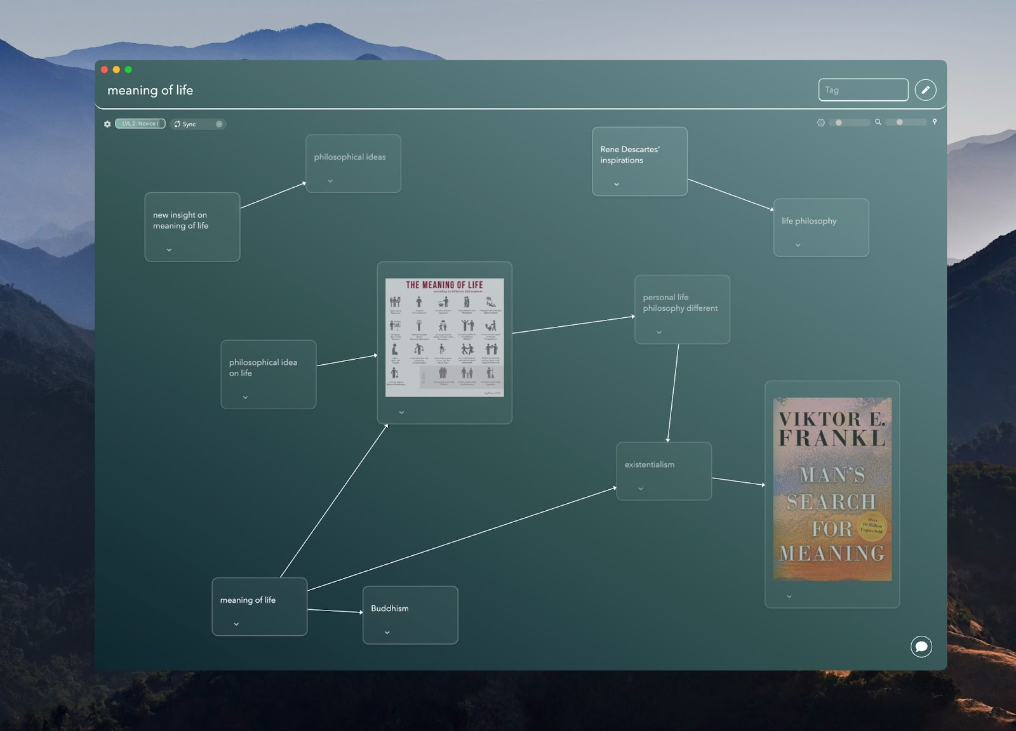
In the digital age, AI-powered tools like Constella.App offer unprecedented opportunities for customization and organization. These tools are particularly helpful for neurodivergent individuals, as they provide structure, creativity, and adaptability in one platform.
- Visual Graphs for Organization: Constella’s infinite graph feature visually maps notes, making it easier for learners to see connections between ideas. This is especially useful for those who think non-linearly or struggle with traditional formats.
- AI-Powered Contextual Connections: The app suggests related notes and ideas as you type, minimizing the cognitive load of searching for information and fostering deeper connections.
- Integrated Multimedia: Adding images, links, and files directly into notes allows for dynamic and engaging learning materials.
- Accessible Across Devices: Constella syncs seamlessly across platforms, ensuring learners can access their notes anytime, anywhere.
Personalized note-taking isn’t just about convenience; it’s about creating a system that aligns with how a neurodivergent brain processes information. By embracing flexibility and tools like Constella.App, learners can navigate their unique challenges and strengths more effectively.
Conclusion: Embracing Tailored Note-Taking Strategies as an Autistic Learner with Constella.App
Embracing tailored note-taking strategies can be transformative for autistic learners, providing a structured framework that aligns with their unique learning styles and enhancing both comprehension and confidence in academic settings. Through understanding autism and writing help and utilizing tools like Constella.App, students can develop personalized systems that integrate various techniques, empowering them to express their thoughts clearly and effectively while maintaining structured organization and sensory-friendly workflows.
With its focus on note-taking for neurodivergent people, Constella is more than just an app; it’s a powerful tool tailored for autistic learners that can revolutionize your note-taking experience. Not only does it enhance structured organization, but it also allows users to gain control over their life by tracking what's going on, thereby supporting academic success and enhancing the overall learning journey.
FAQs (Frequently Asked Questions)
What unique challenges do autistic learners face in note-taking?
Autistic learners often encounter difficulties such as slower information processing speed, attention challenges, and communication hurdles. Sensory overload can further impact their ability to retain and process information effectively.
How can technology assist autistic students with note-taking?
Technology like speech-to-text software and Google Docs Voice Typing allows autistic students to quickly transfer their thoughts into written form, making real-time note-taking during lectures more efficient and accessible.
What are some effective visual learning strategies for autistic learners?
Mind mapping and visual organizers are effective techniques for autistic learners. Mind mapping helps organize thoughts visually, while visual organizers simplify complex information, enhancing understanding and memory retention.
What structured note-taking methods are beneficial for summarizing information?
Methods such as the Cornell Method, outlining, charting, and mapping are beneficial. The Cornell Method aids in summarization, outlining organizes hierarchical information, mapping connects related ideas visually, and charting compares data systematically.
How can multisensory approaches enhance learning for autistic individuals?
Engaging multiple senses through audiobooks and interactive educational tools can significantly enhance learning experiences for autistic individuals by reinforcing information retention and creating a dynamic learning environment.
Why is experimentation with different note-taking methods important for neurodivergent learners?
Experimentation allows neurodivergent learners to discover which note-taking methods work best for them personally. Combining elements from various techniques can help create a tailored system that meets their unique needs.
Want more insights like this?
Subscribe to get short productivity tips and useful summaries of new tools every week.
Want more insights like this?
Subscribe to get short productivity tips and useful summaries of new tools every week.


