

Attention Deficit Hyperactivity Disorder (ADHD) can significantly impact an individual's ability to learn effectively, with symptoms such as inattention, impulsivity, and hyperactivity often interfering with traditional methods of absorbing information. While these challenges can make note-taking particularly difficult, adopting tailored strategies that cater to unique ADHD needs can transform the learning experience by enhancing focus, improving organization, and aiding memory retention.
Each method is designed to address specific challenges faced by those with ADHD, offering practical solutions and innovative tools like those found on the Constella.App blog, which provides resources to streamline the process. Whether you're a student or an adult navigating professional settings, these strategies can be your guide to mastering note-taking with ADHD.
Understanding ADHD and Its Challenges in Note-Taking
Attention Deficit Hyperactivity Disorder (ADHD) is a neurodevelopmental disorder characterized by persistent patterns of inattention, hyperactivity, and impulsivity. It manifests in three primary types:
- Hyperactive-Impulsive Type: Predominantly marked by excessive movement and impulsive actions.
- Inattentive Type: Mainly involves difficulties in sustaining attention and organizational skills.
- Combined Type: Features both inattentive and hyperactive-impulsive symptoms.
Students with ADHD often encounter specific hurdles when taking notes:
- Attention Difficulties: Struggling to maintain focus during lectures can lead to missed information and incomplete notes.
- Organization Challenges: Managing and structuring notes effectively becomes a daunting task, resulting in disordered or fragmented documentation.
These issues highlight the necessity for tailored strategies that accommodate individual learning styles. By understanding each type's characteristics, educators and students can develop personalized approaches to improve learning outcomes. Implementing strategies that address attention difficulties and organization challenges can significantly enhance the educational experience for individuals with ADHD.
1. Structured Note-Taking Techniques
Structured note-taking can significantly enhance the learning experience for individuals with ADHD by providing a clear framework to follow. This method emphasizes organized retrieval of information, ensuring that notes are not just taken but also easily referenced and understood later. One effective structured technique is the two-column notes method. In this approach:
- Left Column: List main ideas or topics discussed during a lecture.
- Right Column: Record personal thoughts, observations, or questions about these topics.
By separating core content from personal reflections, this method helps maintain focus while promoting deeper engagement with the material.
However, traditional note-taking methods often fall short in terms of efficiency and usability. This is where adopting a more advanced Personal Knowledge Management (PKM) setup with AI can be a game changer. Such setups streamline personal knowledge management, allowing for effortless organization of information and efficient retrieval of insights.

Moreover, the benefits of structured note-taking extend beyond mere organization. It aids in maintaining focus during lectures—an essential aspect for those with ADHD. Having a consistent format makes it easier to locate and review specific pieces of information, which is crucial for efficient study sessions and long-term retention.
2. Visual Note-Taking Methods
Visual note-taking methods utilize both hemispheres of the brain, offering an engaging approach for those with ADHD. These techniques transform traditional linear notes into dynamic visuals, enhancing understanding and memory retention.

- **Mind Maps: **Mind maps are a powerful tool in connecting new information with existing knowledge. By visually organizing ideas around a central concept, mind maps help individuals see relationships and hierarchies, improving comprehension and recall.
- **Sketch Notes: **Sketch notes, another visual strategy, combine text and drawings to create memorable notes. This method allows learners to illustrate concepts through images and symbols, fostering deeper engagement with the material. Research suggests that integrating sketches can boost both comprehension and retention, making it a valuable addition to the toolkit of note-taking strategies for ADHD.
Incorporating these visual techniques can revolutionize how students with ADHD process information, turning note-taking into an active and enjoyable experience.
3. Using Abbreviations and Symbols
Abbreviations in Note-Taking are very important for speeding up the process, especially for people with ADHD who may find it hard to keep up with fast lectures. By using shorthand, students can quickly write down important information without losing focus.
- Common Abbreviations and Symbols: Simple abbreviations like "w/" for "with," "&" for "and," or symbols such as arrows (→) to indicate direction or change, make note-taking easier.
- Efficient Note-Taking Tip: Creating a personal set of commonly used abbreviations and symbols can make note-taking more efficient. This helps in maintaining attention and reducing mental effort during classes.
Leaving Space for Additional Information is also very important. During lectures, unexpected details or explanations might come up. Having blank spaces allows students to add this new information without interrupting their notes. This practice not only helps in organizing but also ensures that all relevant content is captured effectively.
4. Regular Review and Summarization Techniques
Reviewing notes for retention is crucial, especially for individuals with ADHD. Revisiting notes within 24 hours significantly enhances memory retention. This practice helps reinforce the material in your brain, turning short-term memory into long-term understanding.
Engage with summarizing techniques to deepen comprehension:
- Summarize into questions: Transform your notes into questions that can be answered through the content. This method promotes active recall, a powerful tool for learning.
Effective strategies for review sessions include:
- Setting specific times dedicated solely to reviewing your notes.
- Using flashcards derived from your summarized questions for self-testing.
- Group discussions where you explain the material to peers, reinforcing your grasp on the subject.
Incorporating these techniques not only aids in better understanding but also ensures that students with ADHD stay engaged and organized throughout their learning journey.
5. Engagement Through Doodling
Engaging in doodling during lectures is an unconventional yet effective note taking strategy for ADHD. It helps channel the wandering attention of ADHD individuals into a creative outlet, maintaining focus without distraction.

Cognitive Benefits of Doodling: Studies suggest that doodling benefits extend beyond mere entertainment. For individuals with ADHD, it aids in improving information retention and comprehension by keeping the mind active, yet not overwhelmed. This subtle engagement allows for better processing of spoken information.
Practical Tips for Incorporating Doodles:
- Interweaving Illustrations: Integrate small sketches or symbols related to the lecture material alongside textual notes.
- Mindful Patterns: Use repetitive patterns to maintain hand activity while listening.
- Color Coding: Apply colors to different themes or subjects within your doodles to create visual associations with the content.
Adapting these techniques can make lecture sessions more engaging and productive, enhancing traditional note-taking methods.
6. Assistive Technologies to Enhance Note-Taking
Assistive technologies for ADHD can transform the note-taking experience, offering tools that cater to unique learning needs. One such tool is Constella.App, which excels at helping users organize and summarize notes effectively. This tool provides features tailored to make learning processes more efficient and less stressful.
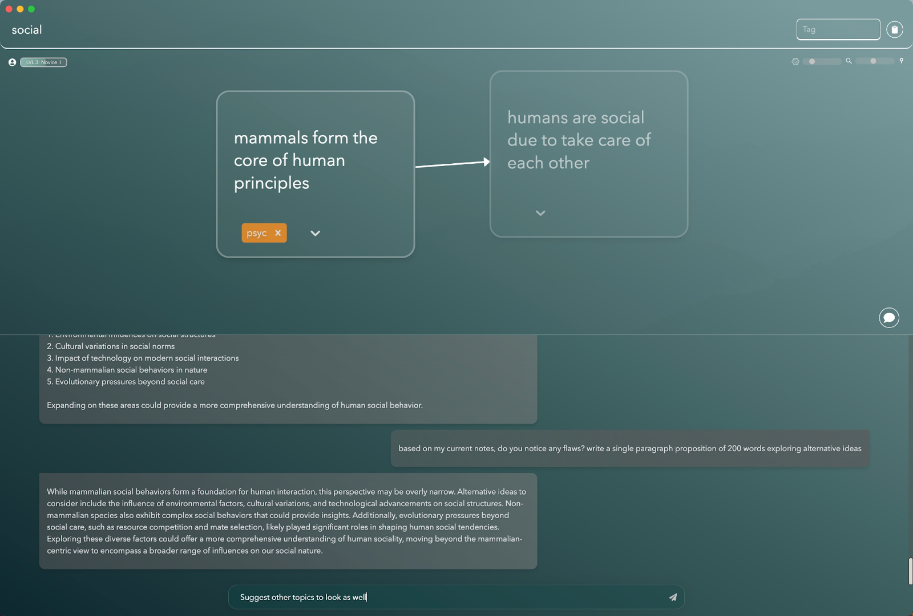
- Infinite Graph: Constella.App enables users to link their notes, ensuring that critical information is easily accessible and recognizable.
- Stella, the AI Assistant: This feature automatically condenses detailed notes into concise summaries, allowing for quick reviews and better comprehension.
In addition to tools like Constella.App, adopting strategies such as the Zettelkasten method can further enhance note-taking and knowledge retention. This method promotes effective organization and retrieval of information, making it an excellent fit for those seeking to optimize their learning experience.
Incorporating elements from a well-structured productivity system and exploring comprehensive resources on personal knowledge management can significantly enhance learning and productivity through various tools and techniques, including platforms like Notion or Obsidian along with AI tools.
7. Seeking Clarification During Lectures
Clarification in learning is crucial for students, particularly those with ADHD, as it aids in enhancing understanding and retention of information. Misunderstanding a key concept can lead to gaps in knowledge, so it's vital to encourage students to ask questions whenever something is unclear.
- Encouraging Inquiry: Create an environment where questioning is welcomed and seen as a part of the learning process. This empowers students to seek answers actively and reduces the stigma around asking for help.
- Enhancing Understanding: Actively seeking clarification ensures that misunderstandings are addressed promptly, aiding in better comprehension. This proactive approach prevents confusion from accumulating and supports continuous learning.
- Retention Benefits: When students clarify doubts during lectures, it reinforces their understanding, making it easier to remember information later. This engagement not only solidifies current knowledge but also builds a foundation for future learning.
By fostering a culture of inquiry and openness, educators can significantly improve comprehension and retention for students with ADHD.
8. Keeping Organized Notes with Dated Pages
Organized notes with dated pages are an essential strategy for individuals with ADHD. By dating each page, students can maintain a chronological order of their notes, which significantly aids in tracking the progression of their learning journey. This simple yet effective technique helps in revisiting past material efficiently, allowing for a seamless review process.
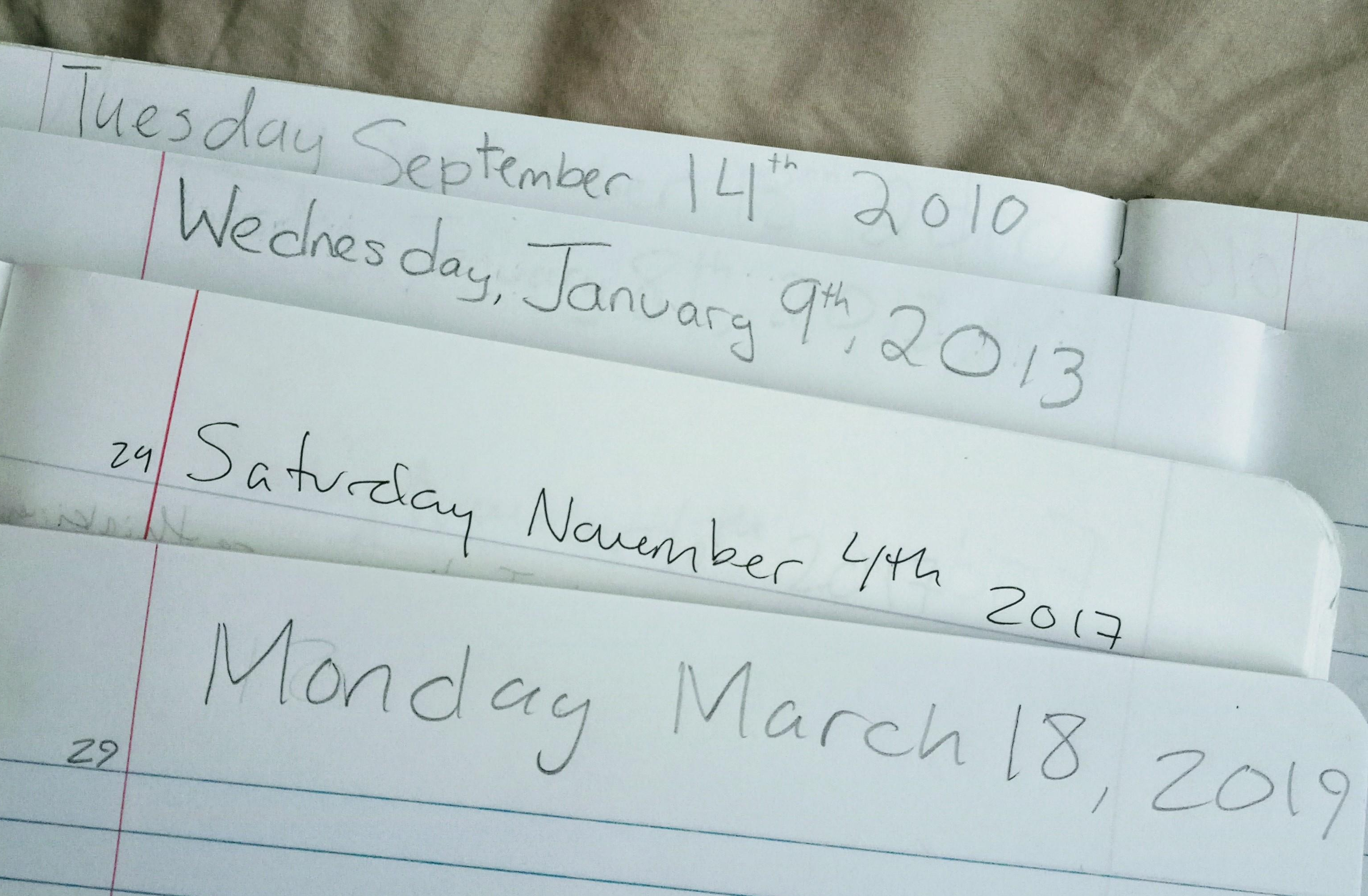
- Chronological Tracking: Ensures that notes are systematically organized, making it easier to follow the sequence of topics covered.
- Progress Monitoring: Provides a clear view of the topics studied over time, helping in identifying areas that need more focus or revision.
- Efficient Revision: Facilitates easier referencing when preparing for exams or assignments by quickly locating information based on dates.
By integrating this method into their routine, students can enhance their note-taking strategies for ADHD, promoting better organization and retention of information.
Revolutionizing Note-Taking with Constella.App
Constella.App is not just another note-taking tool; it's a revolutionary platform that is reshaping the landscape of note-taking, especially for individuals with ADHD. This next-generation application is designed to cater to the unique needs of users who require a dynamic and engaging platform for organizing their thoughts.
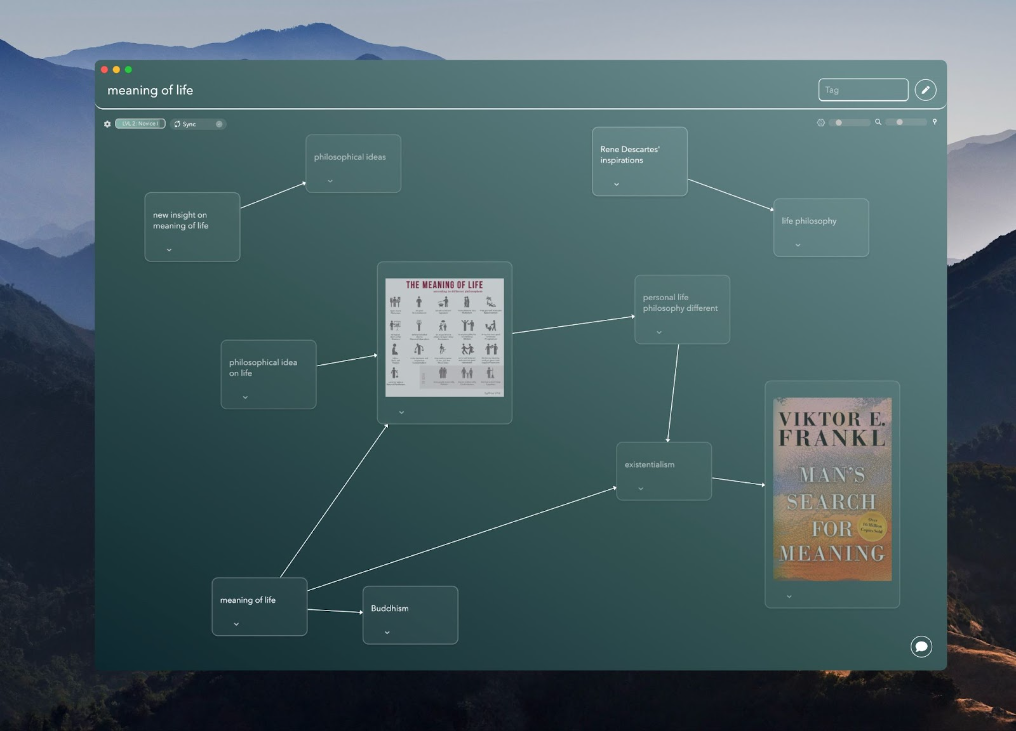
Key features of Constella.App include:
- Infinite Graph Visualization: This innovative feature allows users to view their notes in a graph format, enabling a holistic perspective on how different ideas and information are interconnected. Such visualization aids in better comprehension and retention, particularly beneficial for ADHD individuals who thrive with visual stimuli.
- Quick Jotting Down Thoughts: The app supports the rapid capture of ideas, allowing users to jot down thoughts swiftly as they occur. This capability ensures that fleeting thoughts are preserved before they're forgotten, catering to the spontaneous thinking patterns common in ADHD.
- Beautiful Visual Interface: A user-friendly and aesthetically pleasing design enhances the overall experience, making note-taking an enjoyable task rather than a tedious chore. The interface is crafted to reduce cognitive load and facilitate ease of use.
Constella.App revolutionizes note-taking for ADHD users by offering a visual canvas with related notes surfacing as you type, eliminating the need to search through files and folders. As an AI-powered assistant, Constella goes beyond basic note-taking, featuring a valuable personal tracking system that helps users gain better control over their lives while enhancing productivity through its tailored approach to cognitive preferences.
For those seeking the best AI note-taking app after years of trying dozens of apps, Constella stands out as a top choice. It not only simplifies note-taking but also comes with additional features such as switching to normal text search, export/import notes, Stella Chat, and more which can be explored in detail in our FAQs section.
Conclusion
Using personalized methods and innovative tools like Constella.App can greatly improve the note-taking experience for people with ADHD. By adopting effective note-taking strategies designed specifically for ADHD, individuals can enhance their focus, understanding, and memory retention.
Tools that provide features such as tagging, quick capture, and organized retrieval make it easier to handle information overload. By combining traditional techniques with modern technology, students can create a system that works best for them, ensuring they remain engaged and productive in their learning process.
This comprehensive approach empowers individuals to succeed academically while effectively managing the challenges of ADHD.
FAQs (Frequently Asked Questions)
What is ADHD and how does it affect note-taking?
ADHD, or Attention-Deficit/Hyperactivity Disorder, is characterized by symptoms such as inattention, hyperactivity, and impulsivity. Individuals with ADHD often face challenges in note-taking due to difficulties in maintaining focus and organizing information effectively.
What are some effective note-taking strategies for individuals with ADHD?
Some effective note-taking strategies for individuals with ADHD include structured note-taking techniques like two-column notes, visual note-taking methods such as mind maps, utilizing abbreviations and symbols to speed up the process, regular review and summarization of notes, and engaging through doodling.
How can visual note-taking methods benefit students with ADHD?
Visual note-taking methods engage both sides of the brain, helping students connect new material with prior knowledge. Techniques like mind maps and sketch notes enhance comprehension and retention by providing a more interactive way to capture information.
Why is regular review important for retaining information?
Regular review of notes within 24 hours is crucial for better retention. Summarizing notes into questions promotes understanding, while effective review sessions help reinforce learned material and improve long-term memory.
What role does doodling play in improving focus during lectures?
Doodling can enhance focus by providing a creative outlet that keeps the brain engaged during lectures. Research supports the cognitive benefits of doodling for individuals with ADHD, suggesting it can aid concentration and facilitate better information processing.
How can assistive technologies improve the note-taking experience for those with ADHD?
Assistive technologies like Jamworks offer tools that support effective organization and summarization of notes. Features such as highlights and smart summaries help streamline the learning process, making it easier for individuals with ADHD to manage their notes efficiently.
Want more insights like this?
Subscribe to get short productivity tips and useful summaries of new tools every week.
Want more insights like this?
Subscribe to get short productivity tips and useful summaries of new tools every week.


